


New app to improve access and early interventions, dropping average diagnosis time from over 1.5 years to as little as three months.
Parents could soon be able screen their babies for cerebral palsy at home, with University of Melbourne researchers developing an AI-powered app that may make early detection possible within the next two years.
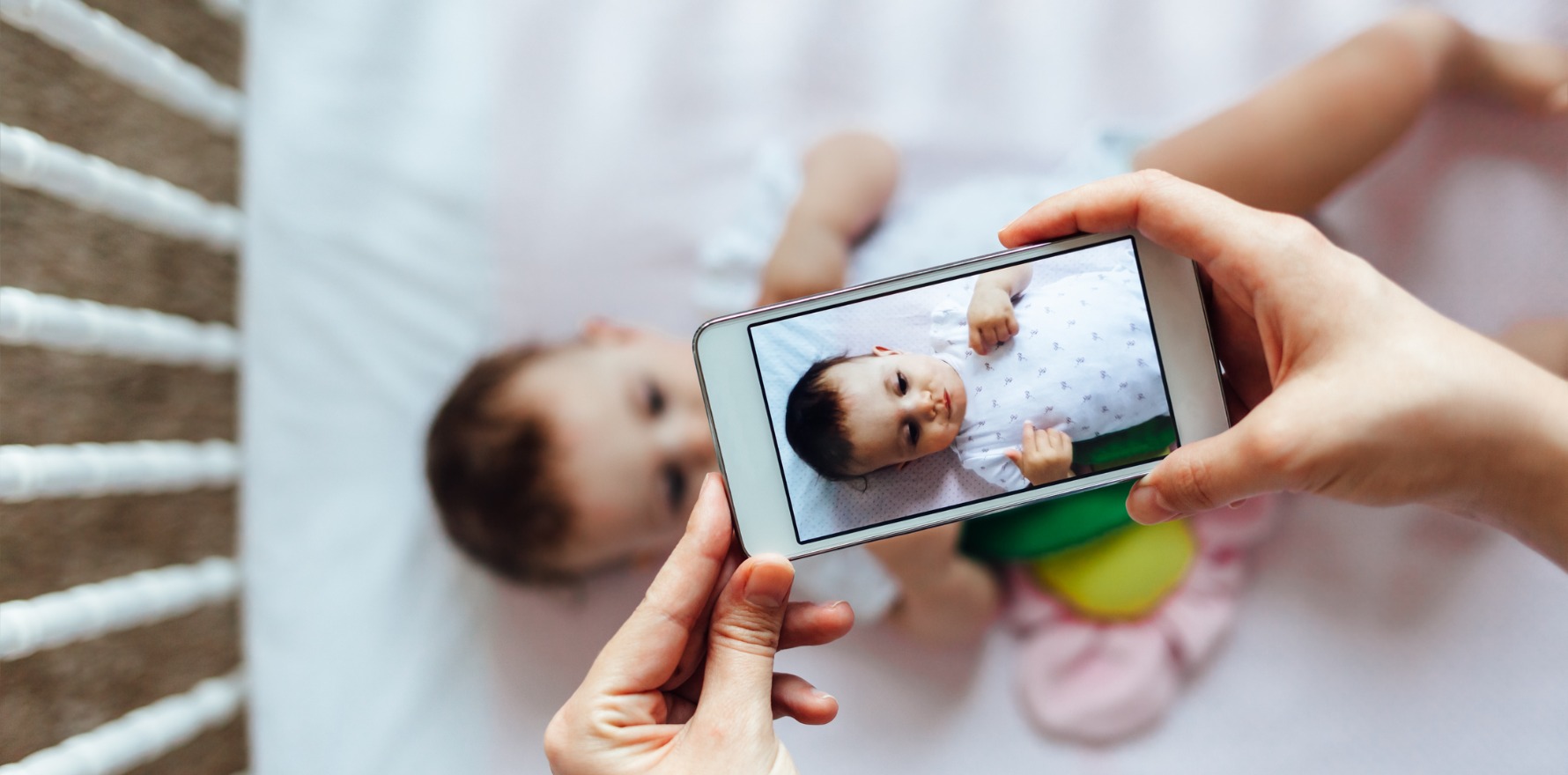
The app builds on the existing Baby Moves app, which allows parents and health professionals to upload videos of infants to be reviewed by a trained assessor.
The next generation Baby Moves VIEW app will use AI to assess the quality of the videos and notify parents if the recording is unable to be used for screening, for example if the baby is wearing too many clothes to allow for proper assessment of movement.
Researchers are also in the process of building a dataset to train the AI to assess the videos, with the aim to reduce the wait time for a trained General Movements Assessment (GMA) assessor and improve patient outcomes.
The University of Melbourne research team has now received nearly $400,000 through Australia’s Economic Accelerator program to commercialise the Baby Moves VIEW app.
The research prototype has been used in more than 20 international studies, involving more than 10,000 families.
The GMA is the first stage of cerebral palsy screening and requires certified assessors. It is not offered at all hospitals or primary care facilities, and there are often long waitlists and geographical access issues.
Dr Amanda Kwong, app co-founder and post-doctoral research fellow at the University of Melbourne, told media that it was crucial for a baby with cerebral palsy to begin treatment as early as possible.
“Early diagnosis means earlier access to interventions which can reduce the severity of the disorder and improve the baby’s long-term health outcomes,” she said.
The app aims to improve access to screening during the crucial four-week window for assessment, increasing early detection rates, the researchers said.
Related

“At-risk babies should undergo a GMA between 12 and 16 weeks of age but for many parents, particularly those who live in rural or remote regions, taking their child to see a clinician during this period can be challenging,” Professor Alicia Spittle, co-founder, physiotherapist and clinician researcher within the Melbourne School of Health Sciences, told media.
“The average age of cerebral palsy diagnosis in Australia is 19 months but our app can bring the age down to as early as three months.”
Trial results of a similar AI component for the existing Baby Moves app were first published in PLOS Digital Health in February 2024.
It was a small trial of an AI algorithm which automated the GMA and analysed the videos to identify high-risk children for priority referral.
They found that the program had a balanced accuracy of 70% in identifying the fidgety general movements suggestive of cerebral palsy but had a high false positive rate of about a third.
Sensitivity and specificity were also around 20% lower than a trained human assessor.
However, researchers remain optimistic that AI can be used to improve screening.
“Long term, we hope this is a service that can be funded by the government, so every child gets access to early cerebral palsy screening,” said Professor Spittle.
