

New analysis challenges common prescribing practices and highlights more effective approaches to protecting long-term bone health.
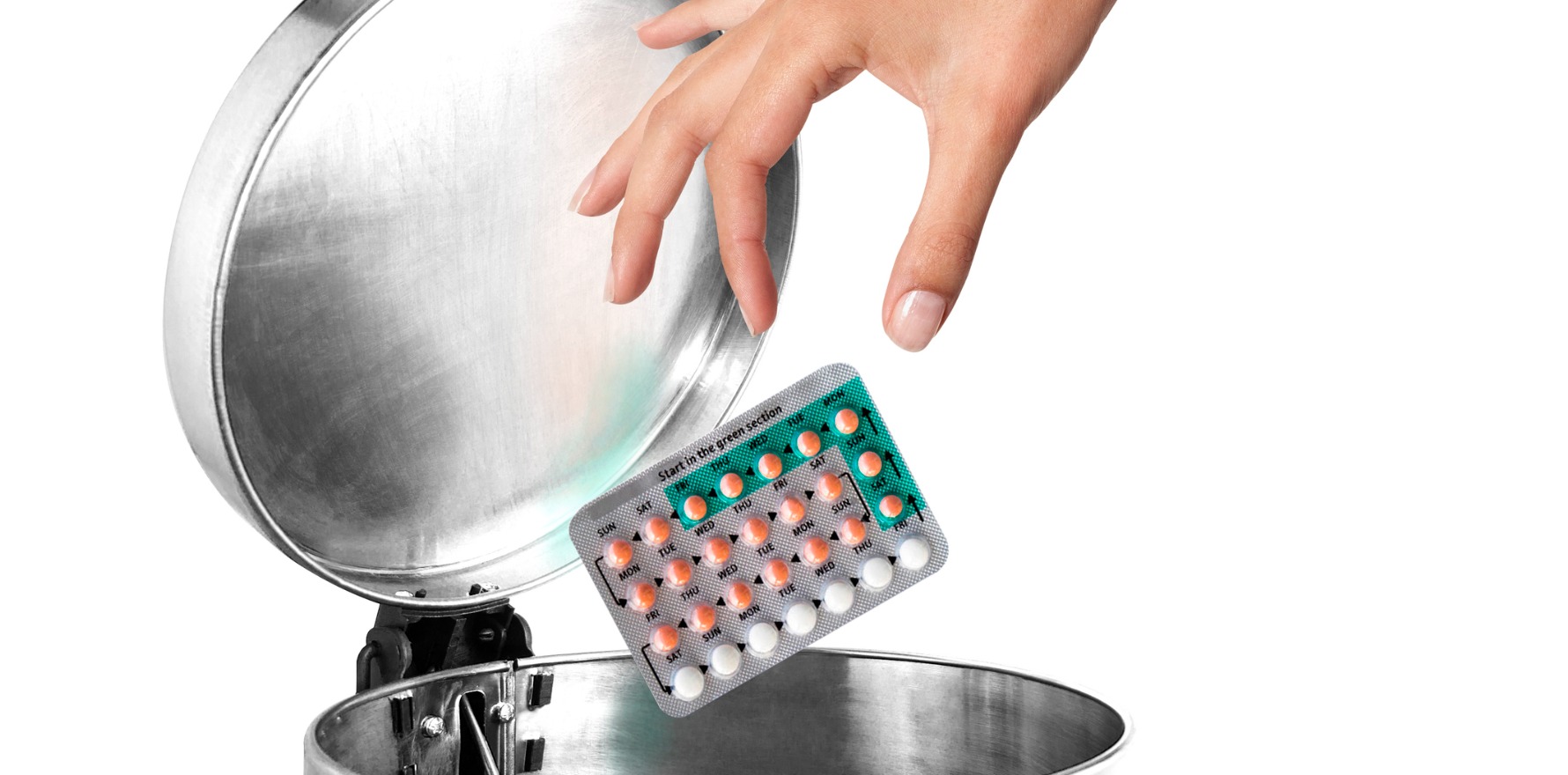
The combined oral contraceptive pill may not be the best option for protecting bone health in women with functional hypothalamic amenorrhea, with new research suggesting transdermal hormone therapy is significantly more effective.
A UK-led meta-analysis of 13 randomised controlled trials found that transdermal estrogen consistently improved bone mineral density (BMD) in women with FHA, while oral estrogen therapy and the combined oral contraceptive pill showed no statistically significant benefit at any skeletal site.
The pooled analysis found transdermal hormone therapy improved lumbar spine BMD (standardised mean difference 0.34) and femoral neck BMD (SMD 0.57) compared with placebo or no treatment, although no significant improvement was seen at the total hip.
The findings could challenge long-standing prescribing habits, as many clinicians have historically used the pill to address both contraception and bone protection in young women with FHA — a condition that accounts for around 30% of secondary amenorrhea in women of reproductive age.
The analysis included 897 participant observations for lumbar spine BMD, 370 for femoral neck BMD and 750 for total hip BMD. Overall, 692 unique women were included in the primary outcome (lumbar spine BMD), exceeding the sample size of the largest individual trial (n = 150).
FHA accounts for around 30% of secondary amenorrhea in women of reproductive age, the researchers explained, affecting an estimated 17.4 million women worldwide.
Studies have shown that up to 68% of women failed to regain menses after one year of lifestyle modification alone – such as weight restoration, reduction in excessive exercise and psychological support – and 30% remained amenorrheic after nine years.
Reduced bone mineral density (BMD) is common, affecting around 44% of women with FHA. Fracture risk has been estimated to be at least double that of age- and sex-matched controls and, in some cases, up to seven times higher. Pharmacological interventions are often required to protect bone health.
Dr Terri Foran, a Sydney-based sexual health physician with a special interest in menopause, told The Medical Republic that prescribing COCP to these women has conventionally been a case of killing two birds with one stone.
“Most doctors who’ve had someone who stops having regular periods because of, say, exercise or dancing or eating disorders have traditionally pushed the combined oral contraceptive pill,” she said.
“And the reason that they have is that these women are often younger, and they often still require contraception as well.”
Dr Foran explained that OCPs influence bone metabolism by interfering with IGF-1, while skin-absorbed estrogens bypass this pathway.
Around 25% of women with anorexia-related FHA are prescribed the pill specifically for osteopenia or osteoporosis, the researchers noted.
“I think that many women who are in this situation are probably still on the pill, presumably because they need contraception. This is a tragedy for many down the track, because many of these women develop their issues around weight and metabolism in their teens, and that’s when we build up bones,” Dr Foran said.
“That’s not to say that in somebody that’s healthy, it [OCP] doesn’t maintain bones. We know that it does, but in somebody with a specific disorder, it may not be the best choice. If that’s where you end up, there may be some benefits in using one of the newer estrogens rather than one of the conventional ones.
“We know that that the transdermal estrogen was better at maintaining and building bones in these particular women, but the disadvantage was that it’s not contraceptive and you often had to add some other contraceptive in on top of that, which may or may not compromise the ability of the estrogen.”
Another issue was that you couldn’t just use estrogen in a young woman, she said, because this would give her unopposed estrogen.
Instead, progesterone, either in a combined patch (if you can find those) or in a Mirena IUD should be used.
“What this [study] does, I think, is open up the discussion as to whether or not they maybe could be on a better pill, if contraception is still needed, or maybe they could look at a long-acting method [alongside] a transdermal estrogen,” Dr Foran said.
The estrogen that is available in around 95% of OCP in Australia is ethinylestradiol, which reduces IGF-1 more than most estrogens.
The only estradiol pill on the Pharmaceutical Benefits Scheme is Nextstellis (Mayne Pharma International). Dr Foran said there wasn’t much data on this yet but so far it looked promising.
“We know that transdermal is the best for maintaining and building bones,” she said.
“After that comes oral estradiol, which is the natural estrogen that your body makes but is not as good as transdermal because it still induces some of this stuff in the liver.
Related



“And then after that comes the estrogen that we’ve traditionally used in the combined pill, which is the ethinylestradiol.”
The transdermal estrogens have a menopausal indication, but they can easily be used off license for FHA, she explained.
“It’s not an issue, provided people know what they’re doing,” she said.
With HRT patches still in shortage, Dr Foran suggested that women with FHA use a transdermal gel and something like a Mirena IUD to protect the uterus.
“The other message, too, that’s really important, is that there has been a bit of a trend with the pill to use the lowest dose you can in young women. The trouble with that is that 20 microgram pills, which are the low dose pills we have in Australia, probably aren’t enough to maintain bone even in healthy young adolescents,” she said.
“It needs to be at least 30 [micrograms] or above, and preferably not, because it’s not the best choice.”
Bones were also an important consideration, she said.
“They lie hidden, and we think of them as sort of rigid and stable, but they’re incredibly metabolically active. And we really need to be keeping an eye on them, because they’re what stand us in good stead when we become postmenopausal older women,” Dr Foran said.
“These are the women that are much more at risk of fracture. And you know, a bone fracture doesn’t sound too tragic when you’re 17, but when you get a bone fracture when you’re older, it really does impact on your ability to look after yourself, be independent, do the things you want to do.
“I think the GP is going to be incredibly important, one, in raising consciousness, and two, to be able to put that young woman in touch with the team who’s going to be able to look after her bones best, probably for the rest of her life.”
The mean participant age across the studies was generally below 30 years, except for one trial which had a mean age of 47 years. Baseline bone density values generally fell within the expected range but were below population averages, with LS Z-scores ranging between −2.0 and −0.6.
The duration of amenorrhea varied across studies, typically ranging from six to 30 months, although one study reported a mean duration of seven years. Intervention durations also differed – oral HRT was administered for 12–24 months, transdermal HRT for 12–18 months and COCP for 9–24 months.
Adverse events across interventions were generally mild. Transdermal HRT was associated with withdrawal bleeding in up to 23% of participants, while COCP caused irregular bleeding in 19–100% of users and led to discontinuation in up to 7% due to side effects such as headache, mood changes, and breast tenderness.
