

The rural medical practice of 2026 is not just a healthcare business. It is, in many ways, a technology business that happens to deliver healthcare.
When I opened my rural general practice more than a decade ago, technology was not something I spent a lot of time thinking about. It was there to support the business, not drive it.
We had MedicalDirector, a server sitting in a cupboard, an IT company that helped keep things running for around $500 a month, and HotDoc for online bookings at about $400 a month. At the time, even that felt like a meaningful expense.
The practice was busy, but it was simple.
Referrals were sent by fax. Specialists wrote letters and posted them. Every afternoon there would be a pile of correspondence to open, sort and scan. Patients called reception to book appointments. Most recalls were manual. Most processes depended on people rather than software.
We invested in a patient self-check-in kiosk for about $15,000. It was a significant upfront cost, but once it was bought, that was largely the end of the story. There was no monthly subscription attached to it, no annual software review, no additional modules to purchase and no ongoing licence fees quietly accumulating in the background.
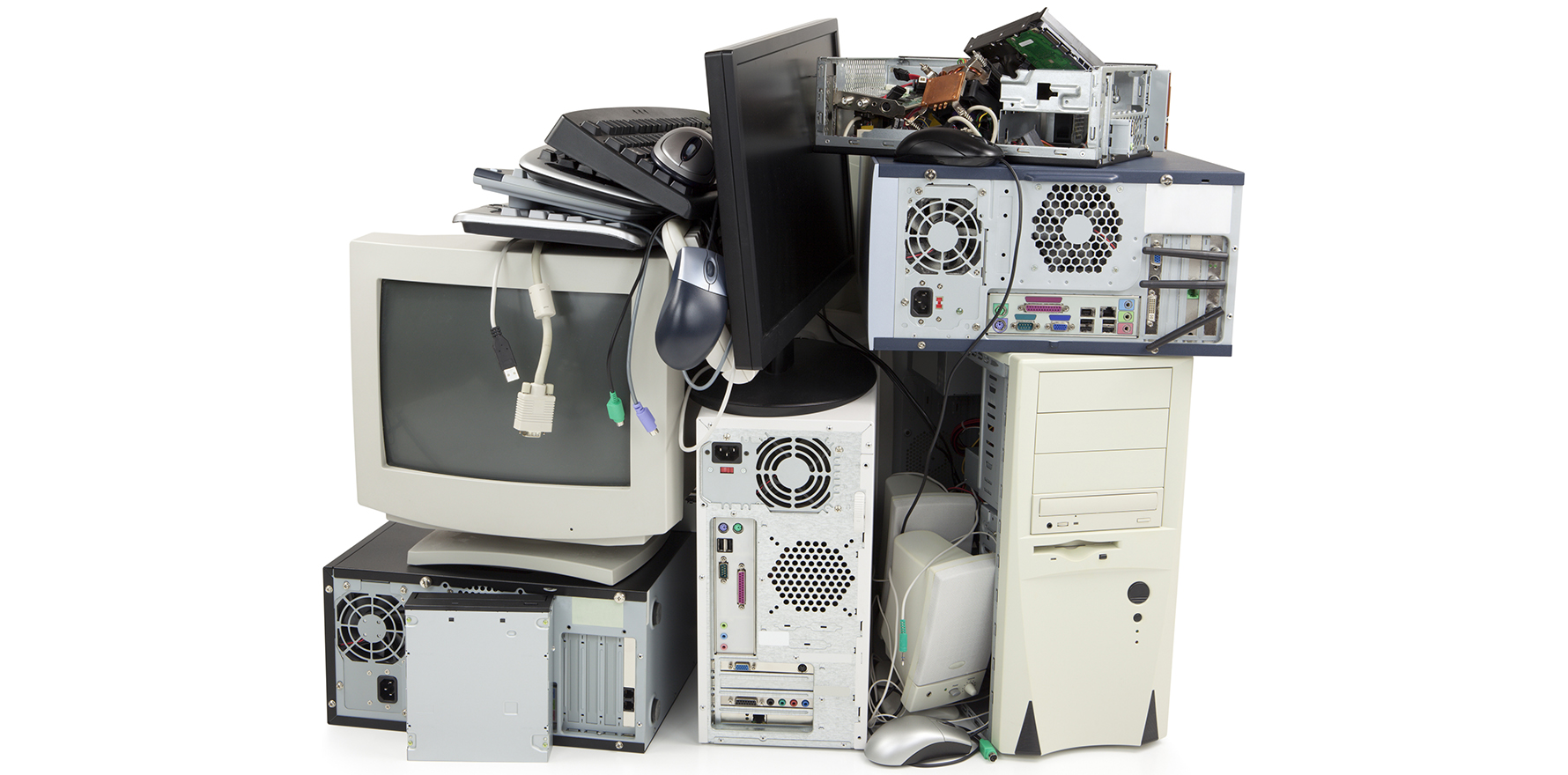
We owned our printers. When one broke, we replaced it. Toner cartridges came from the local office supplier. We didn’t lease equipment. We didn’t rent software. We didn’t have separate contracts for cloud storage, cybersecurity monitoring, document management, workforce management, communication platforms and artificial intelligence.
Cybersecurity was hardly part of the conversation.
Like most practices, we had antivirus software and passwords, but nobody was discussing ransomware attacks, multifactor authentication, penetration testing, cyber insurance or mandatory data breach reporting.
The thought that a small rural GP practice might become the target of a sophisticated cybercrime operation seemed almost unimaginable. Looking back now, it feels like a different era.
The transformation didn’t happen overnight. In fact, that is probably why many practice owners barely noticed it happening.
Each new piece of technology solved a genuine problem. Online booking systems improved patient access. SMS reminders reduced non-attendance rates. Secure messaging improved communication. Cloud backups reduced the risk of data loss. Payroll systems became more sophisticated. Accounting software moved online. Websites became more functional.
Every individual decision made sense. The challenge is that nobody introduced just one new system.
For many practices, technology has quietly shifted from a minor overhead costing around 1-2 cents in every dollar earned to consuming 4-6 cents in every dollar earned before rent, wages, insurance, superannuation, consumables or electricity are even considered.
That may not sound dramatic until you realise that on a practice turning over $3 million annually, the difference between 2% and 5% is an extra $90,000 per year. That is the equivalent of an additional staff member, a substantial equipment purchase, or many hundreds of consultations.
A subscription was added here. Another platform there. Then another integration. Then another compliance requirement. Then another software update.
Over time, what was once a relatively straightforward technology environment became an increasingly complex ecosystem of interconnected products, each with its own monthly fee, annual licence, support agreement and training requirements. The modern medical practice now sits at the centre of a technology web that barely existed 10 years ago.
Most practices continue to pay for their core clinical software, but that is now only the beginning.
There are online booking platforms, patient communication systems, SMS reminders, website hosting services, Microsoft 365 licences, accounting programs such as Xero, payroll systems, electronic onboarding platforms, staff rostering applications and human resources software.
Staff can view their shifts on their phones, apply for leave through an app and receive automated notifications about roster changes. Tasks that once required a paper roster pinned to a staff room noticeboard now require an entire software platform.
Related



Document management has become its own industry. Incoming correspondence can be received electronically, sorted automatically and routed to individual clinicians. Practices increasingly subscribe to systems designed to manage workflow, reduce administrative handling and improve efficiency. Again, every one of these systems delivers benefits.
Every one also comes with a cost.
Then there are the data extraction and business intelligence platforms. Ten years ago, many practice owners relied on reports generated from their clinical software and their own understanding of how the business was performing.
Today, practices increasingly use sophisticated analytics tools that track billing activity, preventive health opportunities, chronic disease management, recalls, appointments and patient engagement.
These platforms can provide remarkable insights, but they have also introduced an entirely new category of expenditure that simply did not exist when many of us first became practice owners.
Artificial intelligence is only the latest layer.
A few years ago, AI in general practice was largely theoretical. Today, practices are evaluating or implementing AI scribes, transcription tools, document generators, workflow assistants and business analytics platforms.
These products promise to save time, reduce clinician burnout and improve efficiency. Many will undoubtedly deliver genuine value. Yet they also represent another expense added to an already crowded technology stack.
What strikes me most is that none of these changes are inherently bad. Healthcare is safer than it was. Communication is faster. Patients enjoy greater convenience. Information is more accessible. Security protections are stronger. Many administrative tasks have become more efficient.
The problem is not the technology itself. The problem is that every improvement arrives with a cost, and those costs accumulate.
From the patient’s perspective, very little has changed. They still walk into a consulting room and sit across from their doctor. The consultation remains a conversation between two people.
What most people never see is the growing digital infrastructure required to make that conversation possible. The old rural practice I remember had a server in a cupboard, a fax machine, a few printers and a handful of software systems. The modern practice has cloud platforms, cybersecurity frameworks, business intelligence dashboards, online booking systems, communication portals, workforce management applications, document sorting tools, AI products and a growing number of subscriptions quietly renewing every month.
The change has been gradual enough that it often goes unnoticed. When I look back over the last 10 years, it is clear that general practice has not simply adopted more technology. It has become dependent on it.
The rural medical practice of 2026 is not just a healthcare business. It is, in many ways, a technology business that happens to deliver healthcare.
And unlike the old server sitting quietly in a cupboard, the cost of that technology now arrives every single month.
Dr April Armstrong is the owner of Grow Medical Group, is principal CEO and managing director of Business For Doctors, and company director of April Armstrong Enterprises.
This article was first published on Dr Armstrong’s LinkedIn feed. Read the original article here.
