

New Australian data suggests mental disorders in young people have increased significantly over the past 15 years, prompting Matilda Centre Youth Advisory Board members to weigh in.
The proportion of young Australians experiencing a mental health disorder in the previous 12 months has increased significantly, according to researchers at the Matilda Centre for Research in Mental Health and Substance Use at the University of Sydney.
Data from the 2020-2022 National Study of Mental Health and Wellbeing revealed that 36.2% of Australians aged 16-24 years had experienced a mental health disorder in the past 12 months, up from 23.4% in the 2007 iteration of the survey. This increase was more substantial in females (26.2% to 42.6%) compared to males (20.7% to 30.0%).
“These findings provide the first opportunity in 15 years to interpret population-level changes using comparable diagnostic methodology, allowing clearer attribution of observed differences to genuine temporal shifts,” the research team wrote in The Lancet Regional Health Western Pacific.
“Results indicated mental disorders are increasingly prevalent, severe and impactful among Australian young people at the population level.”
The increase in the prevalence of mental disorders was driven by increases in mood disorders (4.9% to 13.3% overall, with major depressive disorder increasing from 3.5% to 10.9%) and anxiety disorders (12.2% to 29.9%, with generalised anxiety disorders increasing from 1.4% to 5.6%).
Increases in the prevalence of mood and anxiety disorders occurred in both males and females. Mood disorders among males increased from 2.6% to 9.3% and from 7.2% to 17.6% in females, while anxiety disorders increased from 7.1% to 21.1% in males and 17.6% to 37.5% in females.
In contrast, there was a significant decline in substance use disorders (12.3% to 7.8%), which came on the back of the prevalence of alcohol use disorder more than halving (11.5% to 5.5%). Cannabis use disorder remained stable across the two timepoints (2.4% in 2007 versus 2.5% in 2020-2022).
The severity of mental disorders (defined using a composite classification system including scores from the Sheehan Disability Scale) also increased over time, with the proportion of young Australians with a severe mental disorder jumping from 14.7% in 2007 to 24.0% in 2020-2022.
Put another way, a young person in 2020-2022 was 2.4 times more likely to have a severe mental disorder compared to a young person in 2007, even after accounting for the effects of age, sex assigned at birth, country of birth, socioeconomic status, and other demographic and clinical correlates of mental disorders.
“The predominance of moderate-to-severe presentations indicates that rising prevalence is not driven by an expansion of milder cases, strengthening the interpretation that recent increases represent a meaningful rise in clinically significant disorder burden,” the researchers noted.
The prevalence of suicidal thoughts among young people almost doubled between 2007 and 2020-2022, increasing from 3.4% to 6.6%. However, males in 2020-2022 were 3.2 times more likely to report experiencing suicidal thoughts compared to males in 2007, with females 1.6 times more likely to do the same.
“While these findings indicate a shifting diagnostic landscape, it is important to acknowledge that young people demonstrate considerable resilience and adaptability,” wrote the researchers.
“They are navigating rapid societal changes while emerging as leaders and advocates for their own wellbeing and futures. Recognising this strength alongside the burden of mental disorders provides a more balanced perspective and highlights the potential for prevention and intervention strategies that build on existing capacities.
“Nevertheless, the rising prevalence of mental disorders among Australian youth signals an urgent need for increased funding, targeted policies and practices to support young people’s mental health including the need to act early in the lifespan.
“The combination of increased prevalence, severity, and complexity suggests that current systems are unlikely to meet future demand without substantial investment. Early intervention and prevention will be critical to curb these growing prevalence rates.”
Related


And while the current study could not identify what is contributing to the significant changes in youth mental health and substance use disorders, Georgie Berry, a youth mental health researcher and member of the Matilda Centre Youth Advisory Board, provided additional context in an accompanying commentary.
“Public commentary often portrays young people as a fragile ‘snowflake generation,’ supposedly less resilient than our elders,” Georgie wrote.
“Together with my YAB colleagues, I counter the ‘snowflake generation’ characterisation by arguing that rising youth distress may reflect a growing mismatch between the expectations placed on young people and the increasingly unstable social and economic systems they must navigate.
“Youth distress is not monolithic; it is cumulative. [YAB] members described pressures across work, relationships, finances, climate anxiety, health care access, stigma, and education systems that intersect and accumulate. The issue was not what caused initial distress, but how difficult it has become to live with it.
“Young people are asked to plan for a future that no longer exists. Stable work, secure housing, and predictable life stages have been eroded, but socially and institutionally, our successes are still measured by these outdated benchmarks and milestones. This has lit and stoked the flames of chronic anticipatory stress, not just anxiety about the present, but about whether the social contract still holds and where young people fit in our society.
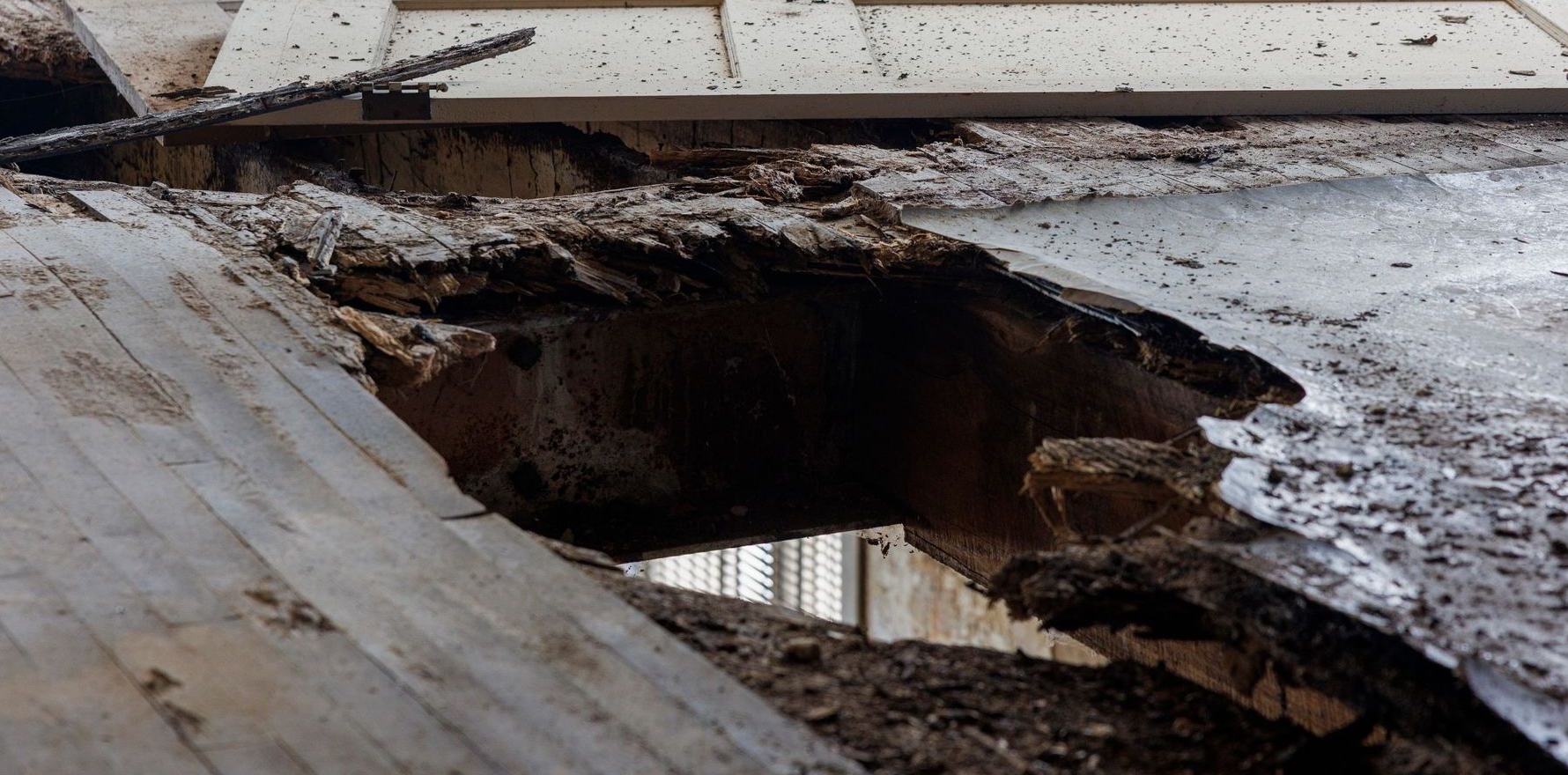
“We are told to plan our futures, while the scaffolding rots.”
Georgie went on to highlight how the lack of a dedicated ministerial portfolio for children and young people makes it harder to determine who is responsible for youth wellbeing, and how access to support services and recovery rates have failed to keep pace with the proportion of young people who are seeking help for mental disorders.
“This is recognition without repair: a mental-health landscape that celebrates awareness and education but delivers little structural change. Services remain culturally inconsistent, geographically inaccessible, and rarely designed to include families or peer networks. Both prevention and postvention remain chronically underfunded.
“Support must be linguistically accessible, community-informed, and embedded in networks of care, or it will continue to fail those who need it most. Awareness campaigns are not enough. Prevention must start earlier, reach further, and be built for the real-world conditions shaping youth mental health, not just the symptoms reported.”
