

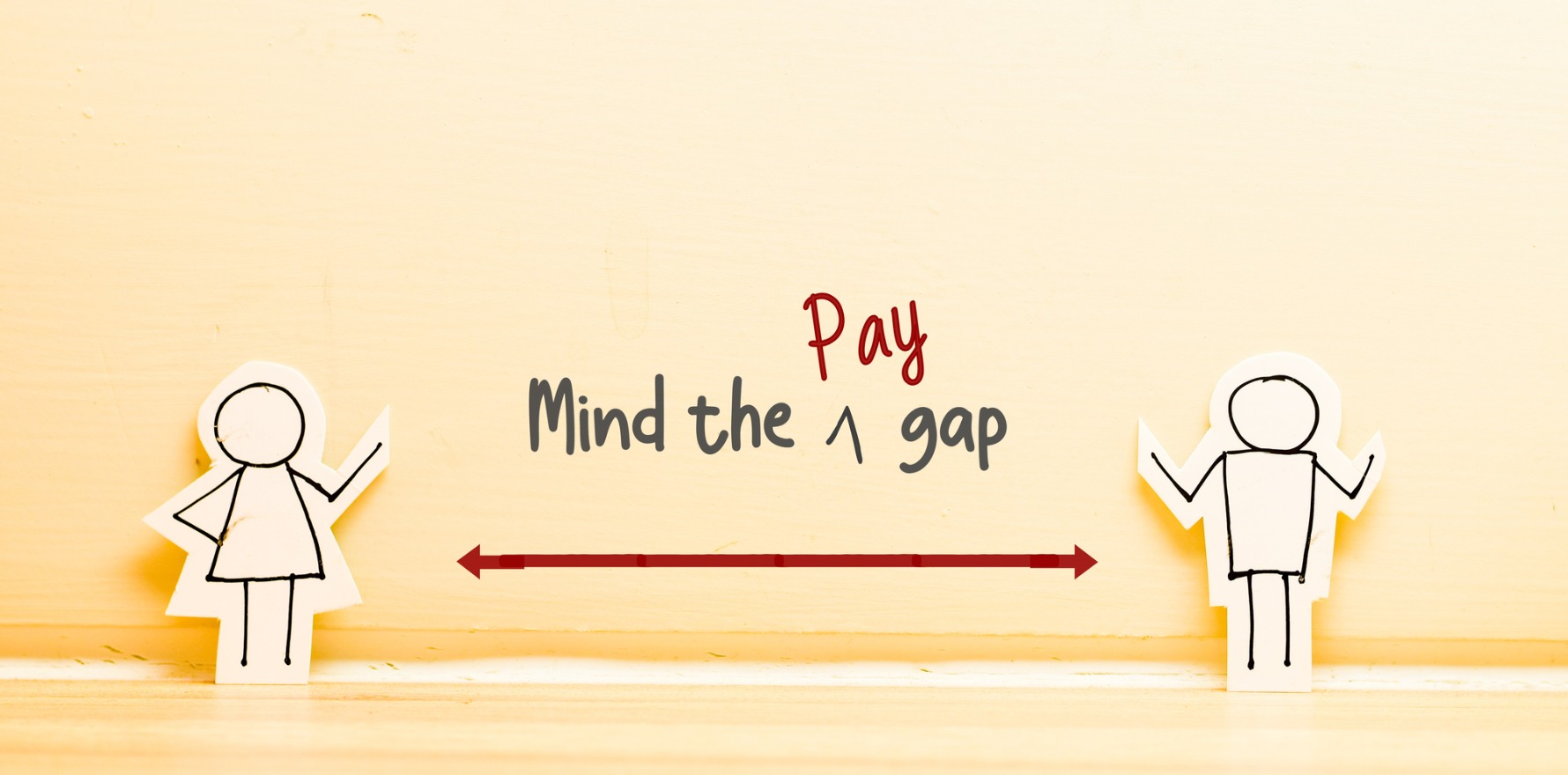
A new white paper from rural corporate Ochre Health puts a number on the GP gender pay gap.
The gender pay gap not only exists in general practice but amounts to about $38,000 less in billing for each female GP per year, according to a new analysis from GP chain Ochre Health.
Ochre captured data from 511 GPs working across 70 of its practices in NSW, Victoria, the ACT, Tasmania and Queensland during the 2024 financial year, extracted from practice management systems using Cubiko.
All participants were independent contractor GPs and therefore free to set their own fees.
In terms of billings per consulting hour, it found that male GPs earned an average of 6.5% more than female GPs; in real terms, this means that for every $1 earned by a male GP, a female GP made $0.94.
Where male GPs recorded average gross billings of $372.68 per hour, female GPs recorded $348.54.
Assuming a 33-hour consulting week across a 48-week working year, male GPs earn roughly $38,000 more than female GPs in gross billings for the same hours of work.
In reality, though, the gap is even wider.
Because male GPs tend to complete around 11% more consults than female GPs, the gap widens to about 17%, or a $102,000 difference in billings.
The difference in gross billings is not down to bulk billing; in fact, male GPs were more likely to bulk bill consults than female GPs.
Instead, the study concluded, the pay gap was likely driven by complexity of care.
“Despite male GPs having a lower earnings per appointment completed at $94.89 compared to female GPs at $95.02, the increased number of patients a male GP sees per consulting hour influences per consulting hour earnings by $24.04, which is a significant factor in the gender pay gap for general practice,” the Ochre paper said.
“A potential reason for the difference in number of appointments per consulting hour was suggested by a recent study by the Royal Australian College of General Practitioners (RACGP).
“According to the Health of the Nation Report (RACGP, 2023), female GPs spent longer (average 20.0 minutes) with their patients compared with male GPs (average 16.8 minutes).
“Female GPs report a heavier load of psychological issues as one of their top three reasons for patient presentations and a much greater incidence of women’s health and pregnancy/family planning presentations (50%) compared to male GPs (2%).”
Medicare’s time-tiered consult structure famously disadvantages longer appointments, tending to allocate a lower per-minute rebate the longer an appointment goes on.
In a regional location, for example, a bulk billing GP could earn $3.53 per minute for a seven-minute appointment, or they could earn $0.73 per minute for a 35-minute appointment.
“This is really validating as to why [Medicare is] inequitable for the female workforce, who do tend to spend more time with patients, which from my lens is about delivering a higher quality of care … rather than single-issue medicine, which is easier to do in the six to 10 minutes style,” prominent Sydney GP Dr Charlotte Hespe told The Medical Republic.
The new analysis comes hot on the heels of the latest investments in bulk billing, a move that Dr Hespe pointed out does nothing to address the systemic short-consult bias.
“We need to be able to have more of a conversation about the need to remunerate the longer consultations better,” she said.
“We know [longer consults are] associated with better quality care … if you’re only going to deal with one issue [per consult], you’re never going to get to the bottom of the pot.”
Speaking at the RACGP conference in Brisbane last week, health minister Mark Butler acknowledged the need for systemic reform but did not necessarily commit to any action.
“If I had my druthers and if [former RACGP presidents Professor Karen Price and Dr Nicole Higgins] – who are on the Strengthening Medicare Task Force representing you – had their druthers, all of our energy and all of our additional funding would have been spent over the last few years on real reform, on changing system operating, rather than dealing with what I describe as ‘burning foot’ platforms around affordability and the pipeline of new GPs in training,” he said.
“But I am certainly very clear in my own mind that the long-term challenge … is to reshape Medicare around the patient profile of today.”
Related


The Ochre report also broke down earnings by rurality, finding that the gender pay gap was significantly more pronounced in regional areas, where female GPs earned about 10% less than their male counterparts per consulting hours.
This is closer to the national average for the gender pay gap, which sits at about 11.5%.
In MM4 regions, female GPs earned 17% less per billing hour than their male colleagues.
Immediate past RACGP president Dr Nicole Higgins said the results tallied with her experience as a GP in a regional town.
“We know that rural and regional patients are more complex and present later and sicker, and we often have less specialist support and social services, so we’re managing complex mental health behaviour and social issues as well as domestic and family violence,” she told TMR.
“… In rural and regional Australia, it’s often the female GPs who are really doing that heavy lifting, especially in mental health and in the social determinants of health.”
A more positive trend identified in the report was that the earnings per consultation hour among Millennial female GPs was growing at a higher rate than that of male Millennial GPs, potentially narrowing the earnings gap.
Professor Karen Price, another former RACGP president and prominent GP advocate, told TMR that one potential explanation was that younger GPs had not yet accumulated a load of complex patients.
“I think there’s a certain percentage in there who will find that, as they stay within a practice, they tend to get more of the long, complex, psychological, chronic, multi-morbidity patients that we all seen when we’ve been in practice for a long time,” she said.
“I think that it may not be a closing of the gap, it may just reflect the fact that they’re starting and they haven’t collected long term patients yet.”
Professor Price, who is currently conducting research into why female GPs leave the workforce early, also called for reform to go a step farther than just Medicare.
“Why aren’t the men getting the Christmas presents? Why aren’t the men looking at the Safeway specials and looking at what they can do for Christmas lunch or Diwali? Why is the men’s practice considered to be standard, and women have compared against that?” she said.
“Why aren’t the men seeing psychological issues? Why aren’t they having longer, more complex consultations?”
If the government is pushing access, she said, it should ask whether it is in fact more efficient for doctors to see patients for multiple issues at a time.
“If you’re seeing one problem per consultation, whereas a woman is seeing two or three problems per consultation, you’d have to question whether or not that is efficient, because that patient has to come back two or three times to see the male GP,” Professor Price said.
“I’m not having a go at guys, but I think we have to look at this from a whole lot of angles.”
