

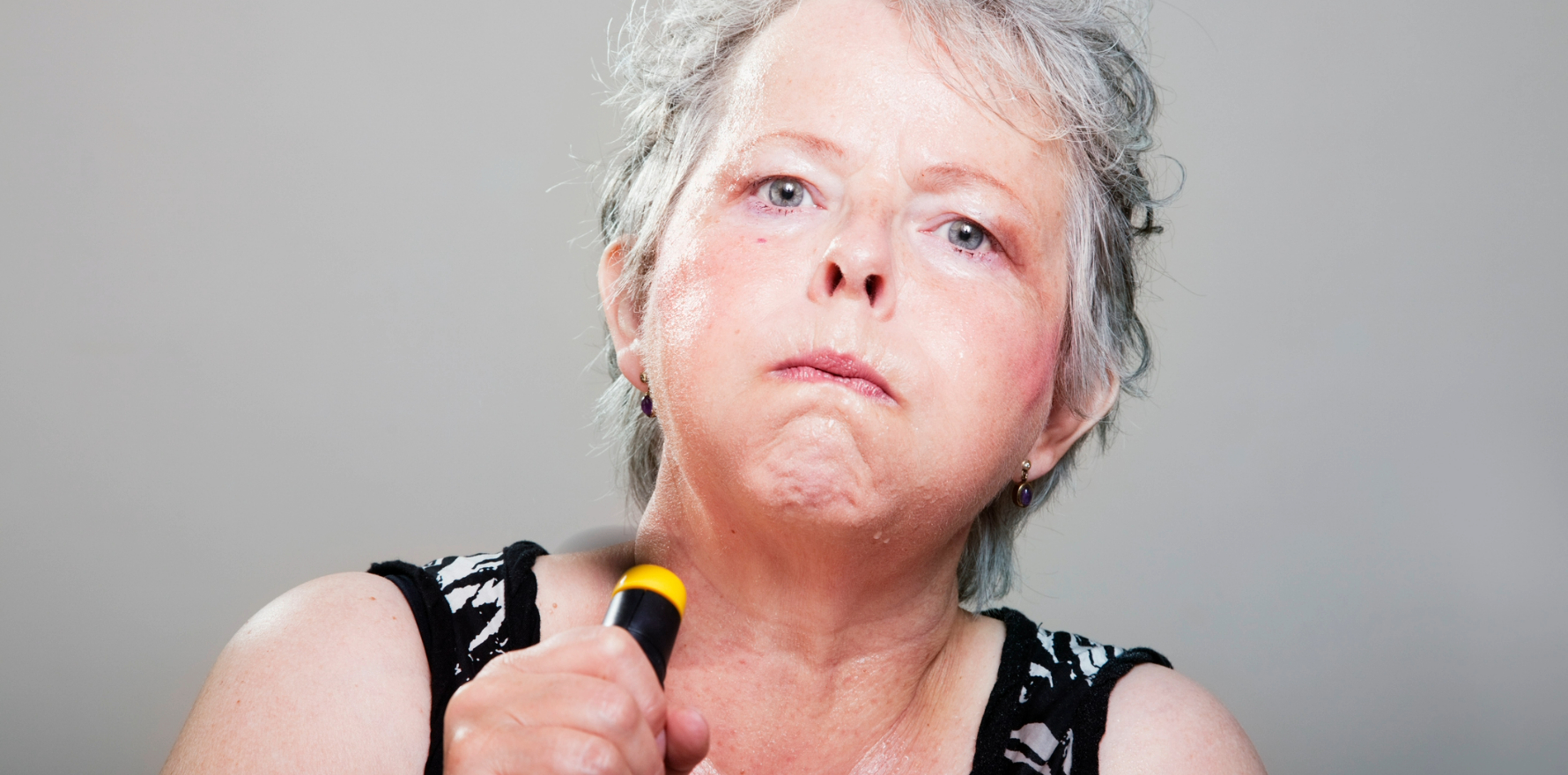
Almost two years after the Senate inquiry, the government has launched the country’s first awareness campaign about menopause and perimenopause.
One of the key recommendations from the Senate Inquiry into Menopause and Perimenopause was to create an awareness campaign about menopause.
After 20 months, the federal government has emerged from the brain fog with the country’s first ever national menopause and perimenopause campaign.
The aim is for women to better understand their symptoms, access trusted information, and feel more confident seeking care and support.
Rather than being left to Google their way through the night sweats, women will have access to trusted information developed with experts and communities. There has been extensive research with a diverse range of women with lived experience.
Minister for Women, Senator Katy Gallagher said menopause shouldn’t come as a surprise, but it often does.
“For too long silence and stigma have left too many women in the dark,” she said.
“Making sure women have credible, evidence-based information that is easily accessible is essential to supporting their health and wellbeing. And it’s important for women’s families and the broader community to have awareness too.
“It is important that this campaign reflects the different experiences of perimenopause and menopause, because no two women experience it the same way, and every woman deserves to feel seen and supported.”
The campaign is part of the government’s $792.9 million women’s health package that includes new PBS listings for menopausal hormone therapies which has supported more than 430,000 women.
Nearly 105,000 women have undergone a menopause health assessment since 1 July 2025, when they first became covered by Medicare.
Federal health minister Mark Butler said this morning that the campaign was part of a range of things the government was doing for women’s health.
“We’ve been training more doctors,” he said.
“I was shocked to hear that over several years of medical education, med students only receive a few hours’ education on menopause, which impacts half of their patients.
“We’ve got more training of doctors, we’ve got more medicines on the PBS after 20 years of nothing.
Related



“And this campaign is designed to lift the awareness, particularly for women entering perimenopause, to recognise the signs, to understand what’s happening in their body, in their head, and to be able to find a pathway to support – whether that’s just some information online or a doctor who understands these issues,” he said.
The campaign includes a website and a 30-second campaign video and will run across television, cinema, digital video, digital audio, social media, out of home and regional press through to December 2026.
