


The college has a shiny new advocacy plan to last through to 2030. The ideas will be familiar.
For the next four and a half years, politicians and GPs can expect the RACGP’s focus to be on increasing investment in primary care first and foremost, followed by work to strengthen regulation against certain other models of care.
The college’s second-ever advocacy plan was unveiled at the RACGP Practice Owners Conference in Sydney on Sunday and outlines its priorities between 2026 and 2030.
There are five “top priorities”: investment in general practice, quality models of care, a sustainable workforce, culturally safe systems and less red tape.
“The number of GP trainees has gone up by around 50% within the last couple of years,” RACGP president Dr Michael Wright told delegates.
“There’s a lot of GP registrars and a lot of GPs coming through, and it’s really important that we give them an exceptional experience and that they’re welcomed into our GP community, but also that we’re creating the future that works for them and for us in providing the care our patients need.”
Specific actions under the “investment” pillar are mostly inward focussed, like increasing long consult rebates, extending health assessment items and establishing an independent pricing authority.
The “models of care” action items, on the other hand, look outward at the rest of the profession.
Action items under this banner include strengthening regulation for telehealth-only prescribers and creating nationally recognised standards for Urgent Care Clinic accreditation.
The college’s chief advocacy officer Shayne Sutton said all priorities included in the plan came directly from members.
“We are very committed to member-led advocacy and making sure that what we’re talking about in the corridors of Canberra or the corridors of state parliaments is aligned with what our members are telling us,” she said.
Some of the individual priorities listed under the remaining three pillars include:
- increasing supervisor payments through the National Consistent Payment framework,
- calling on the government to fund the development of a tool that monitors and measures racism in healthcare,
- establishing a national, practice-based research network and
- doubling the investment in the Workforce Incentive Program practice stream.
In total, there are nearly 200 different advocacy priorities identified by the college as part of the plan. This includes state- and territory-specific goals and others across areas like mental healthcare, climate change and women’s health.
“The remit of general practice is really broad, and with 50,000 members there are a lot of people who care and are passionate about a lot of different things,” Ms Sutton said.
Related


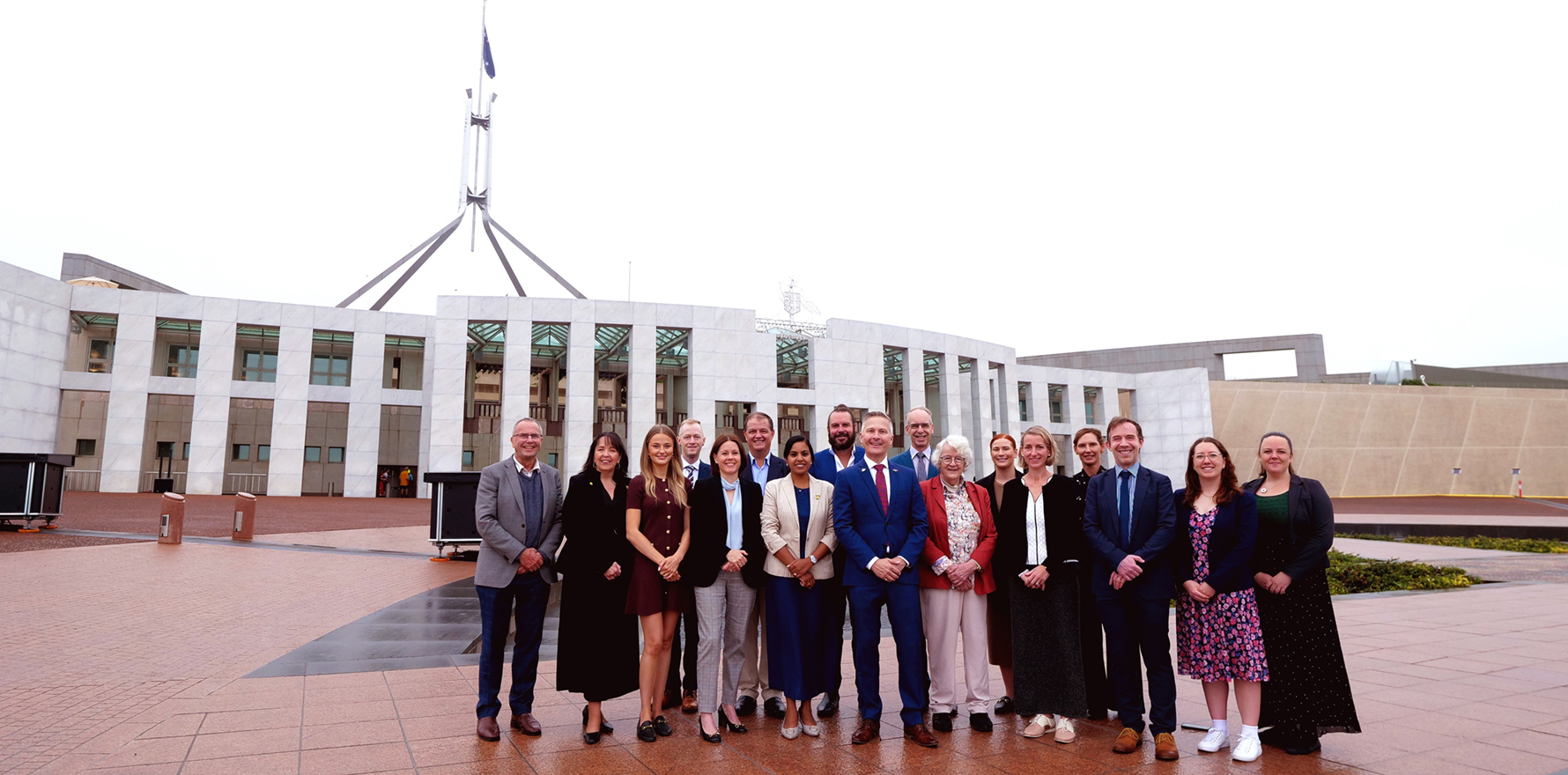
“The aspiration for this document is that every member could pick up this plan and see themselves in it, so that they know that their college has heard what’s important to them.”
The college advocacy officer also called on members to get involved with the RACGP’s activities where possible.
“We would really love your help,” she told delegates.
“Because there’s more than 580 politicians across state and federal levels of government, and … the aspiration is to get a GP connected with every single one of them.”
South Australian GP and practice owner Dr Clare Keogh said she got involved in advocacy work during the payroll tax crisis, when she realised that clinics had more power when they banded together.
“In my interactions so far with politicians, I think stories are really important,” she told delegates at the practice owners conference.
“They are humans too, and I think they can be a bit faceless to us, or it’s easy to dislike them for whatever reason.
“And similarly, we’re probably a bit faceless to them.
“There’s a general idea in public that we earn lots of money – I think Minister Butler came out last year and said we’re earning $460,000 a year, which is frustrating and laughable. I think the reason why GP-led advocacy is so important is because we can clarify those myths.
“We’re a real person. We’re meeting another real person in that politician.”
The 2026 RACGP Practice Owners Conference was held at ICC Sydney on 23 and 24 May.
