


From understanding glucose to anticipating risk - why prediction may represent the next evolution in diabetes care.
One of the conversations I find myself having most often with a person living with type 1 diabetes happens just before they go to bed. Their glucose is around six mmol/L. They’re standing in the kitchen wondering whether they should have something to eat before bed. Not because they’re hungry. Because they’re worried. The wondering “What if I go low overnight?”
I’ve had versions of that conversation countless times over the years. What I’ve learnt is that people don’t always make decisions based on the glucose number in front of them. They make decisions based on what they think might happen next. They’re not responding to the glucose reading itself. They’re responding to uncertainty.
For me, that’s one of the most important conversations we’re having in diabetes care today.
It’s also why the discussions taking place this month at the International Diabetes Federation Western Pacific Region Congress in Melbourne are so timely. There will rightly be plenty of attention on digital health, artificial intelligence and emerging technologies. But the question I find most interesting isn’t really about the technology itself. It’s whether we’re beginning to move from understanding glucose to anticipating risk.
When I look back over my career, I realise every major advance in diabetes care has changed the questions we ask. When I first started practising, we relied largely on finger-prick glucose readings. We’d look at two or three numbers across an entire day and try to piece together what might have been happening in between.
The reality was there was only so much those numbers could tell us. If someone asked me what their glucose was doing at three o’clock in the morning, I simply couldn’t answer. Continuous glucose monitoring changed that completely.
Instead of isolated snapshots, we suddenly had a continuous picture of what glucose was doing throughout the day and overnight. We could identify patterns we’d never seen before and better understand why someone was waking with high glucose levels or experiencing overnight hypoglycaemia.
I think CGM has changed our management and given us greater insight into the full 24-hour blood glucose profile, allowing for more informed adjustments of glucose lowering medication. The next challenge isn’t simply collecting more information. It’s making better use of the information we already have.
That’s why I think prediction is such an exciting development. Instead of asking, “What happened?” we may increasingly find ourselves asking, “What is likely to happen next?” That might sound like a subtle shift, but I think it’s the next logical step in the evolution of diabetes care.
Related

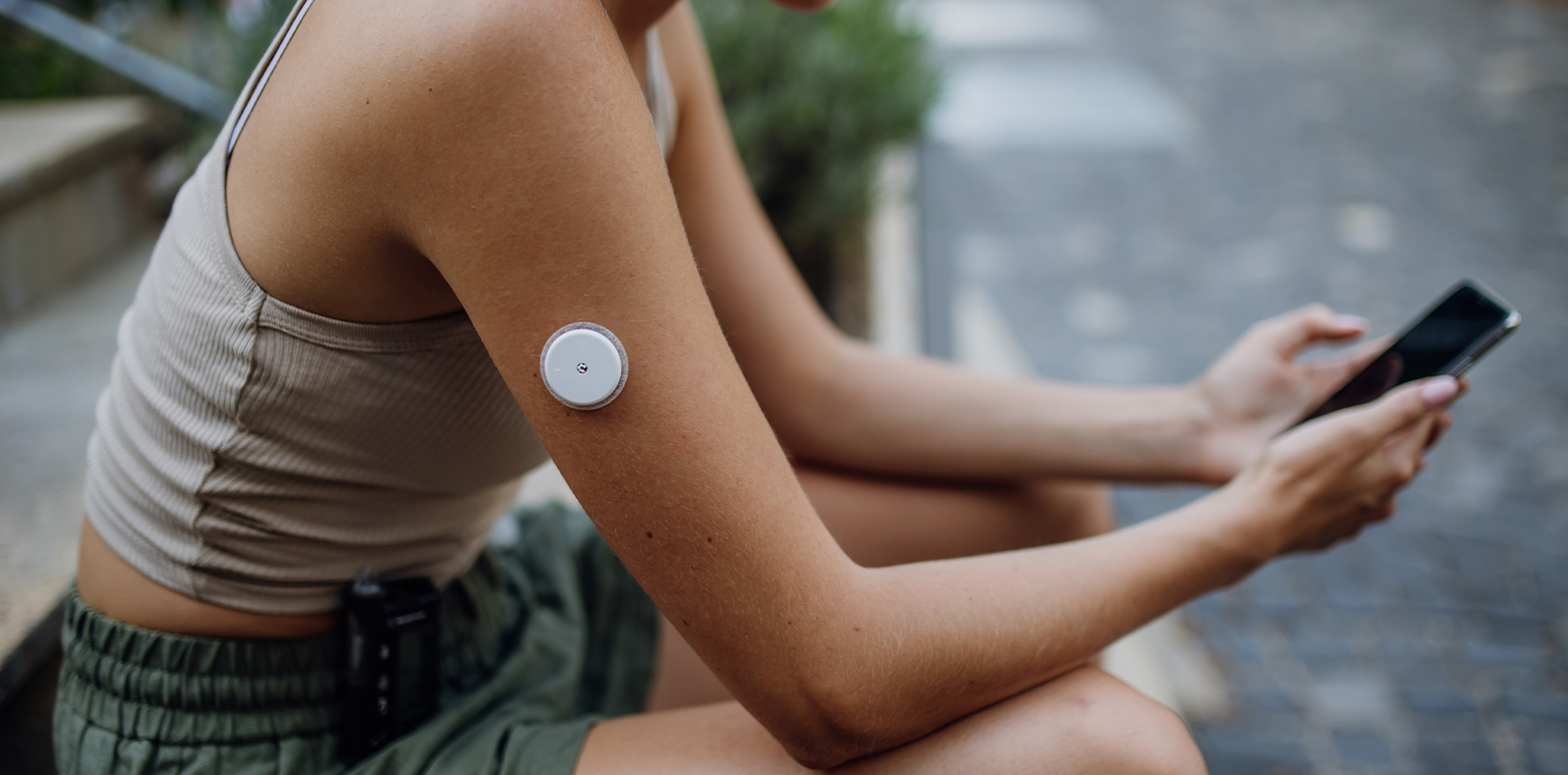

One of the reasons I find that so interesting is because so much of diabetes management happens away from the consulting room. I might see someone two or three times a year. Their GP may see them more regularly. But the reality is that people living with diabetes make hundreds of decisions on their own between appointments. Prediction has the potential to make a significant difference, not because it makes decisions for people but because it may help people make their own decisions with greater confidence.
I often think about the person who checks their glucose before bed and sees a reading of around six mmol/L. Technically, that’s a perfectly reasonable result. But they don’t quite trust it so they have a snack “just in case”. We’ve all seen it. The next morning they’re frustrated because their glucose has run high overnight.
They weren’t responding to the glucose reading. They were responding to uncertainty. If we can reduce some of that uncertainty, I think we have the opportunity to change some of the decisions people make every day.
Over the years, I’ve also realised that we sometimes focus our conversations on the things that are easiest to measure. HbA1c. Time in Range. Glycaemic variability. Those measures remain incredibly important, and they’ll always be central to good diabetes care. But they’re rarely the first things my patients want to talk about. They talk about sleep. They talk about worrying overnight. They talk about whether they’ll hear an alarm. They talk about whether they’ll wake feeling exhausted the next morning.
Perhaps that’s why recent Australian research found that more than half of people living with diabetes say their condition negatively affects their sleep, while almost one in three say simply feeling safer overnight would help them feel more in control of their diabetes.
Those findings certainly resonate with what I hear in clinic. They’re a reminder that living with diabetes isn’t simply about managing glucose. It’s about managing uncertainty.
If emerging technologies can help reduce that uncertainty – even in small ways – I think that’s important. Not because technology is the goal but because helping people live more confidently with diabetes has always been the goal.
So what does this mean for general practice?
If you asked me what this means for GPs, I wouldn’t say the priority is understanding predictive technology. I’d say the priority is becoming comfortable with continuous glucose monitoring.
CGM has fundamentally changed diabetes care and is becoming an increasingly important part of routine practice in people with insulin treated diabetes. As more people begin using these technologies, conversations about prediction will naturally follow.
I don’t see prediction as replacing CGM. I see it as the next evolution of it.
As GPs become more familiar with interpreting CGM reports, I think they’ll also become more interested in how those data can support earlier conversations with their patients – not simply explain what has already happened but help anticipate what might happen next.
Understanding where these technologies fit – and just as importantly where they don’t – will become an increasingly valuable part of diabetes care.
Artificial intelligence will undoubtedly be one of the major themes discussed throughout this year’s IDF-WPR Congress. Every major advance in diabetes care has generated more information, and artificial intelligence gives us an opportunity to make better use of that information.
Modern continuous glucose monitoring generates an extraordinary amount of information – far more than any individual can realistically interpret on their own.
Artificial intelligence has the potential to help us identify patterns, recognise trends and provide insights that support better-informed decisions. As with every technological advance we’ve seen in diabetes care, I don’t think its success will ultimately be measured by the sophistication of the technology itself.
It will be measured by whether it helps people make more informed decisions, supports better conversations with their healthcare team and enables them to live more confidently with diabetes.
Technology will continue to evolve but the importance of clinical judgement won’t. Of course, prediction should ultimately be judged in the same way we judge every advance in diabetes care – through robust clinical evidence and experience in everyday practice.
The early findings are encouraging, but as clinicians we should always remain guided by evidence rather than enthusiasm alone.
I’ve been fortunate to watch diabetes care evolve enormously over the past few decades. Every major advance has helped us ask better questions. Finger-prick testing helped us understand where glucose was at a single point in time.
Continuous glucose monitoring helped us understand how glucose behaves throughout the day and night. I think prediction may be the next step in that journey. Not because it replaces clinical judgement but because it has the potential to support better decisions before problems occur.
If emerging technologies can help people go to bed with greater confidence, reduce decisions driven by uncertainty and support better conversations between people living with diabetes and the healthcare professionals who care for them, then I think prediction will become a valuable tool for people living with
Associate Professor Neale Cohen is director of Clinical Services at The Baker Heart and Diabetes Institute.
