

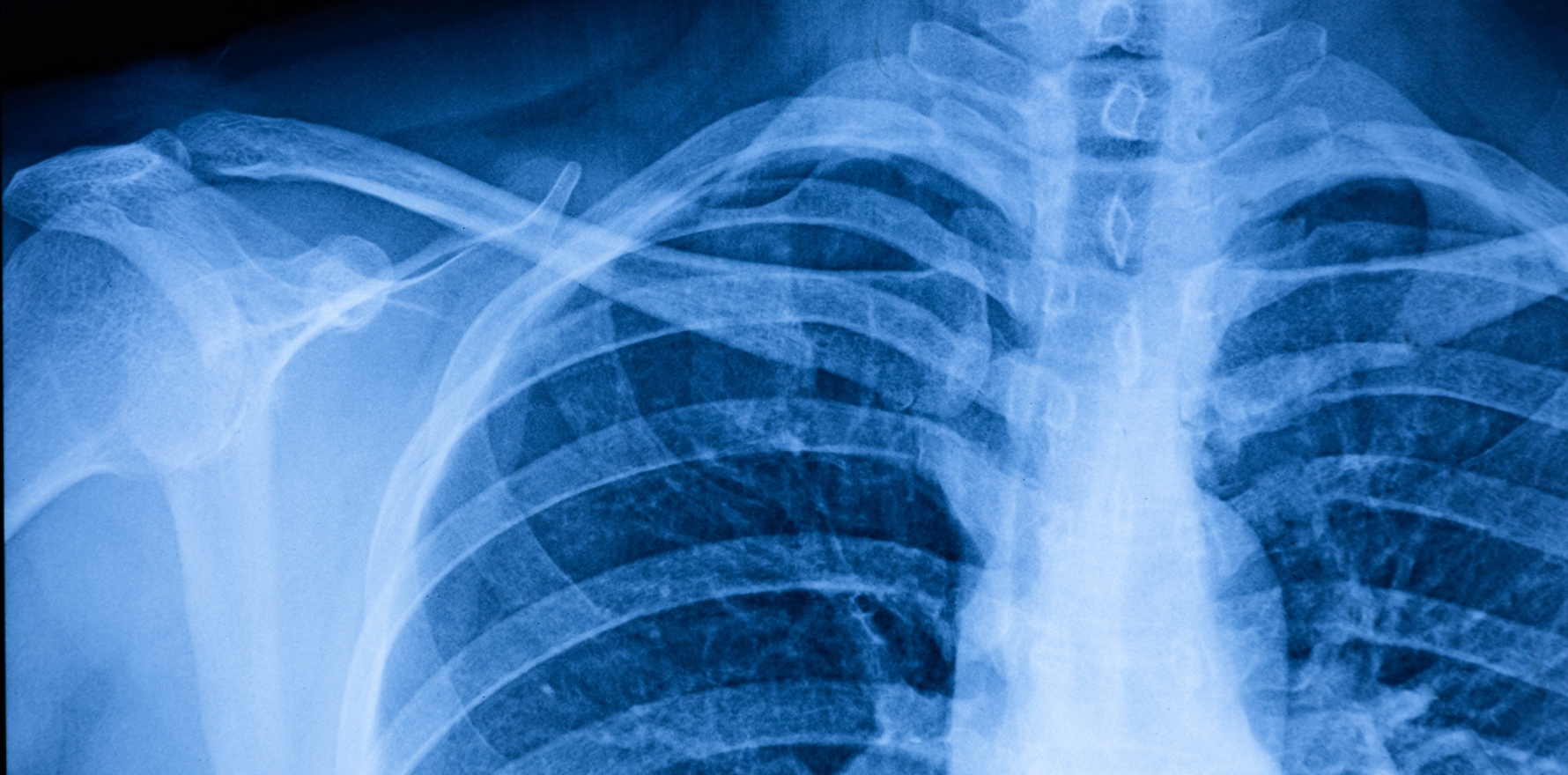
Shoulder pain is the third most common musculoskeletal complaint in general practice. Experts say routine scans are rarely the answer.
Subacromial pain – felt at the top and outside of the shoulder – is the most common presentation of shoulder pain, but it’s often short-lived and manageable in general practice, according to Monash University researchers.
The global review in JAMA Internal Medicine synthesised evidence from guidelines, reviews, and key studies on shoulder pain diagnosis and treatment, collectively involving thousands of patients.
It found simple supportive care was more effective than invasive procedures and unnecessary scans for new shoulder pain.
After all, according to National Health and Medical Research Council research, around 95% of primary care patients don’t require imaging tests – an exercise costing the government millions annually.
Lead author Dr Romi Haas, a research fellow at the Monash School of Public Health and Preventive Medicine, said frozen shoulder or glenohumeral osteoarthritis can usually be managed successfully by a GP.
Initial assessments should rule out serious underlying causes, such as infections, tumours, broken bones, or referred pain, she said.
However, she also advised moving away from structural terminology in diagnosis – such as bursitis, tendinopathy, a tear, or impingement – which often implies a distinct structural cause that requires fixing, even when it may not be the cause of pain.
“A more contemporary, pragmatic approach is to use the label subacromial pain to describe anterolateral shoulder pain, typically affecting active movement (especially overhead) without passive movement,” the report read.
It could also help reassure patients that it is safe to continue modified activity and encourage appropriate symptom relief and wait-and-see approaches where appropriate, Dr Haas told The Medical Republic.
Moreover, Dr Haas said scans only show the shoulder and can miss other areas or suggest false causes, including age-related changes mistaken for the source of the pain.
Pain in the neck, heart, or lungs, she said, can usually be screened for using a thorough patient history and clinical exam, prompting further targeted investigation or urgent referral, rather than relying on scans.
Related

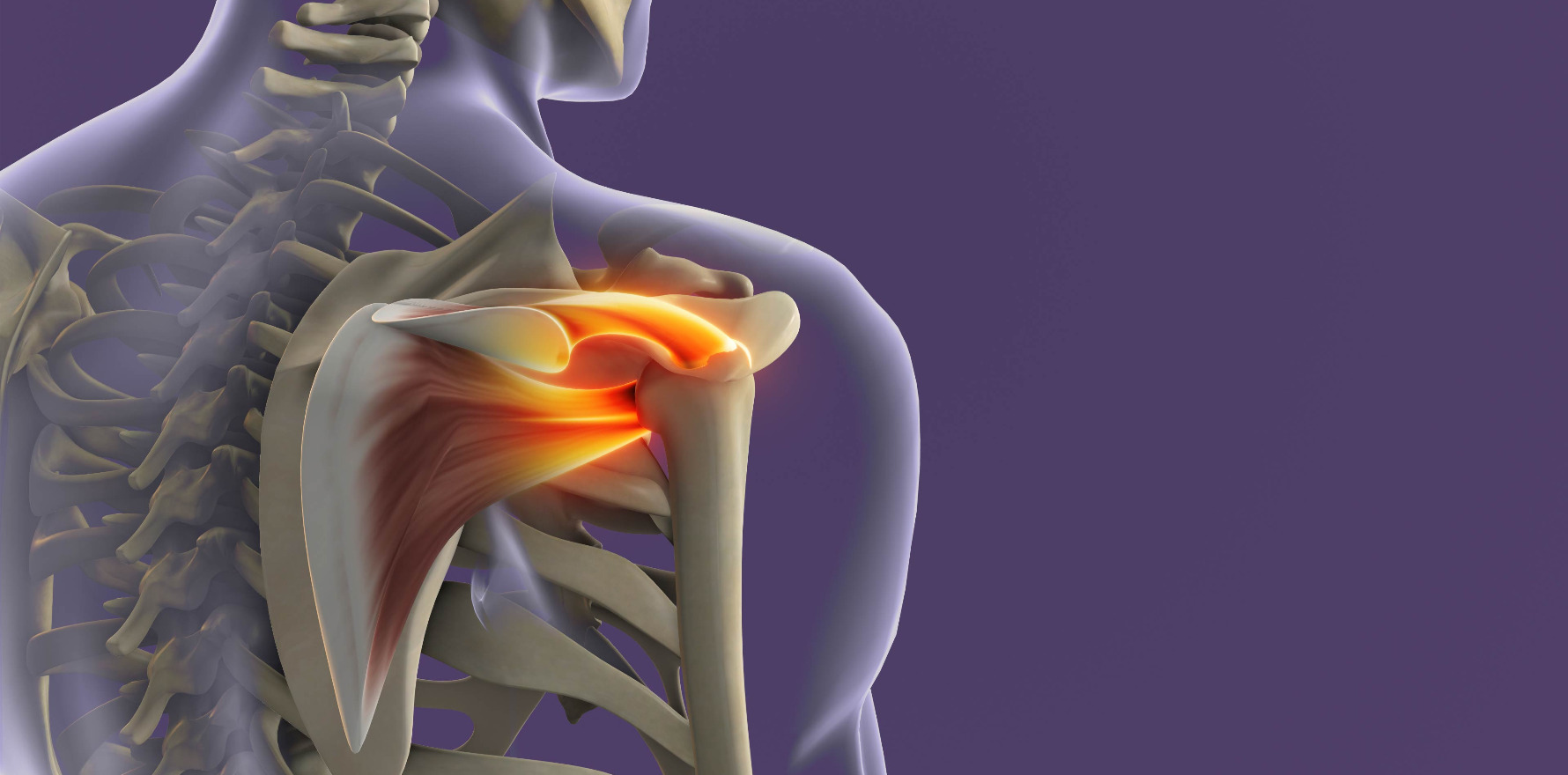

The review found corticosteroid injections may provide short-term pain relief – roughly four to eight weeks – for patients with moderate to severe pain when guided by their anatomical landmarks.
Surgical treatment showed no important benefit for people with subacromial pain who did not have a full-thickness rotator cuff tear.
Even for full-thickness tears, existing evidence of the surgery’s effectiveness was limited due to a lack of placebo-controlled RCTs with long-term follow-up.
Senior author Professor Rachelle Buchbinder, a rheumatologist and clinical epidemiologist from Monash University, said the guidance was a “reassuring reminder” for clinicians.
Based on a primary care cohort of 526 adults with new shoulder concerns over ten years, almost 80% achieved satisfactory improvement with watchful waiting or a nonsteroidal anti-inflammatory drug prescription alone.
“It gives GPs, physios and surgeons the evidence base they need to reassure patients that self-management, time, and targeted advice are usually the safest and most effective path to recovery,” she said.
Another study earlier this year, also co-authored by Professor Buchbinder, found almost every adult over 40 has rotator cuff abnormalities on MRI, irrespective of whether they had shoulder pain.
Chair of RACGP musculoskeletal, sport and exercise medicine special interest group Dr Joshua Hatch told TMR the report’s recommendations were in line with what the college has advised for the better part of a decade.
Most existing guidelines, he said, recommended six weeks of rehabilitation before proceeding to imaging if symptoms persist.
However, Dr Hatch cautioned that patients experiencing pain at rest, pain that didn’t respond to simple pain relief, or any pain that appears disproportionate to the injury should be referred for further investigation.
“One of the big things I find problematic is GPs will often order an ultrasound of the shoulder, which will always show subacromial bursitis, which is less of an isolated problem and more a downstream issue from something else going wrong,” he said.
Dr Hatch said the trap was to follow the radiologist’s imaging and proceed straight to an injection, which may not necessarily be the best option for the patient.
