

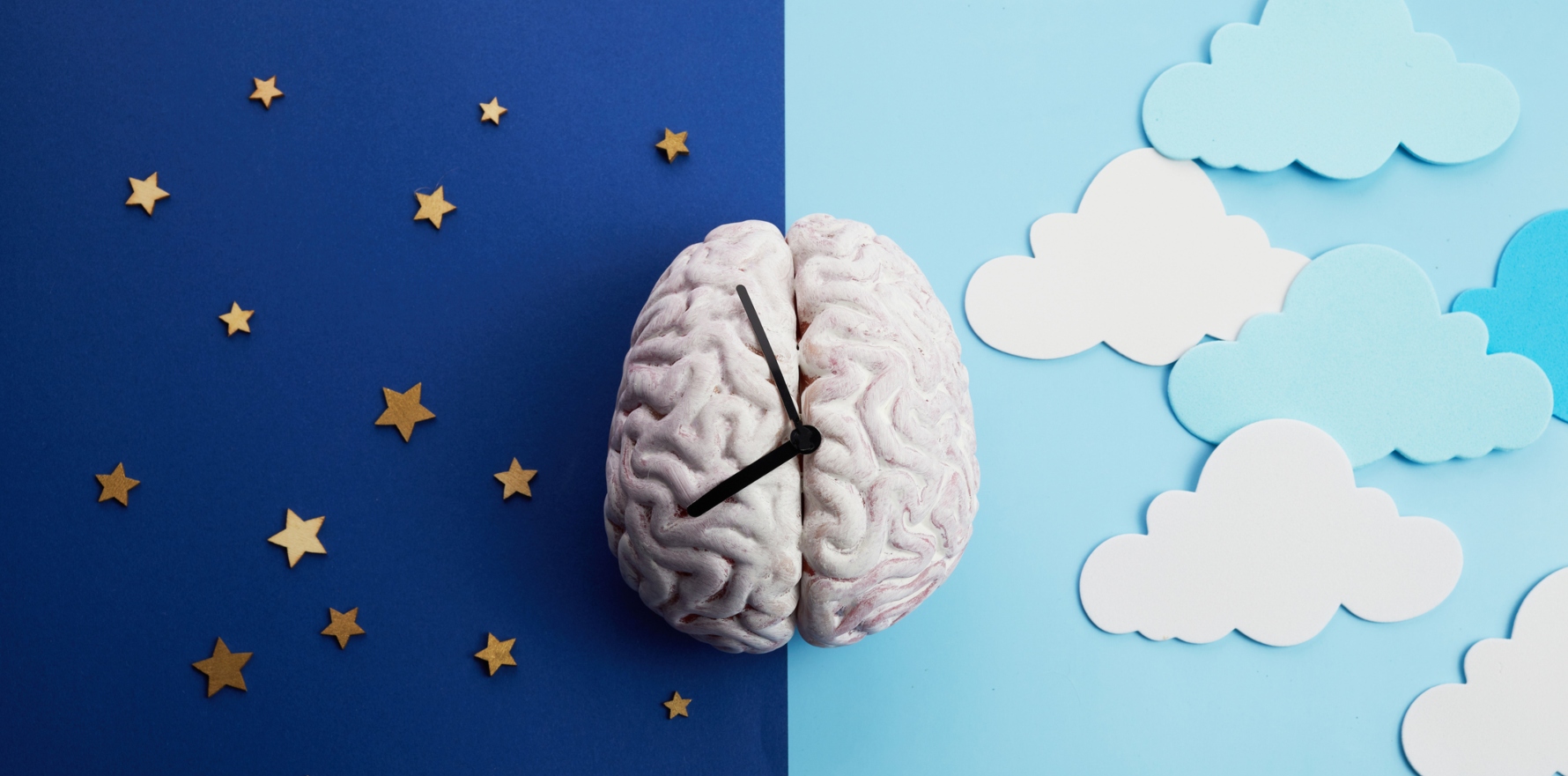
Australian study identifies a circadian depression subtype associated with greater symptom severity, more side effects, and distinct genetic risk profiles.
Sleep-wake patterns may help clinicians recognise a subtype of depression associated with more severe illness and poorer reported responses to commonly prescribed antidepressants, Australian research suggests.
Using cross-sectional data from the Australian Genetics of Depression Study (AGDS) from 2016 to 2018, researchers analysed 11,380 participants (75% female, mean age 43.8 years) with complete polygenic risk score (PGS) data and information on at least three circadian features.
Nearly a quarter of these participants met the defined criteria for circadian depression – a subtype characterised by greater psychiatric symptom burden and genetic risk for mental and physical health than non-circadian depression.
“We found that individuals with circadian depression have more severe mental health symptoms and illness scores,” Dr Emiliana Tonini, postdoctoral research associate in the Personalised Care for Mood Disorders stream of the Youth Mental Health and Technology Team at the Brain and Mind Centre, University of Sydney, told media.
“The age of onset of their depression was younger compared to those with non-circadian depression, but they also had more episodes and also more complex trajectories, more suicidality, [as well as] more hypomanic and psychotic-like symptoms as well.”
“We looked at the genetic risk for several mental health disorders and then physical health markers, and we found that participants with circadian depression had higher genetic risk for ADHD, depression, anxiety, and bipolar disorder in the mental health disorder category, but also a series of metabolic and inflammatory markers.
“This is important because that sort of indicates that circadian depression is not just depression with bad sleep, but actually there is an underlying biology that is quite distinct from other forms of depression.”
The cohort predominantly comprised people with severe, recurrent depression; only 4% reported a single depressive episode, while the median number of episodes was six and the median duration of the worst episode was 12 weeks. Lifetime suicidal ideation was reported by 65% of participants, and 31% had attempted suicide at least once.
Participants self-reported depressive symptoms, experiences with commonly prescribed antidepressants, sleep and circadian-related behaviours, and lifetime diagnoses of other mental disorders, and were additionally assessed using DSM-5 criteria. They also had their saliva genotyped to generate PGSs.
“One of the really important things about this study is the genetic data to go with it, and I think in the future you’re going to see these genetic panels based on polygenic scores start to come into clinical practice, not in a simple diagnostic but as an adjunct to other clinical phenomena,” said Professor Ian Hickie, co-director of Health and Policy, Brain and Mind Centre at the University of Sydney.
Participants were classified as having a circadian or non-circadian depression subtype according to whether they met at least three of six criteria: social jetlag, seasonal patterns in mood, sleep, or behaviour, delayed sleep midpoint, evening chronotype, morning tiredness, and hypersomnia.
Overall, 2604 participants (23%) met the criteria for the circadian subtype. This group was younger on average (mean age 37.87 years) and was 80% female.
The circadian subtype was associated with lower reported efficacy of selective serotonin reuptake inhibitors (OR 0.88) and serotonin–noradrenaline reuptake inhibitors (OR 0.89) No significant associations were found for mirtazapine (OR 0.96) or amitriptyline (OR 0.97).
Participants with the circadian subtype also reported a broader range of antidepressant side-effects. These included runny nose, muscle pain, blurred vision, constipation, drowsiness, diarrhoea, fatigue, difficulty sleeping, sweating, agitation, shaking, dry mouth, headache, weight gain, suicidal thoughts, attempted suicide, anxiety, reduced sexual desire, dizziness, and nausea.
“At the moment, we have clinical guidelines that treat people all the same. They largely assume that mainly anxiety is the main factor, and that generic treatments with psychological therapy, particularly standard cognitive behavioural therapy and standard antidepressants, the SSRIs, the Prozac-like drugs, will be equally good for all,” said Professor Hickie.
“That’s clearly not the case, and in young people, about 30% of young people actually have a form of depression that is atypical. We’ve been unclear as to what that depression is underpinned by. What we’ve been investigating for some time now is the neurobiology of the brain regulators of the circadian system.”
“It’s a more severe form of depression, so you do see more severe anxiety. We do think it’s a different trajectory though; that the basic problem here is not arousal and distress by life events or by stressors – it’s disturbance of the clock.
“The really important parts of this study is early identification [and] getting on the right track when you first have symptoms. If you get on the wrong track – the traditional track that’s typically recommended – you’re likely to have bad experiences, less response to treatment, and more side effects. If you get on the right track first off, you’re more likely to get out of the hole you’re in, and more likely to have a better, longer-term mental health, but also physical health outcome as a consequence.”
He highlighted some key recommendations for clinicians, such as encouraging patients to learn about their own clock. He explained that an abundance of devices which help people track their patterns of activity, combined with noticing possible light sensitivity and chronotype, can help guide personalised care.
“Are you largely a morning type? Are you largely an evening type? You’re trying to get strong alignment between your own chronotype and your own patterns of behaviour.
“Clinicians need to inquire. Rather than just focusing on the symptoms of depression – hopelessness, helplessness, suicidal ideation, lack of pleasure – to really find out not about just sleep (not just when people get to sleep or do they sleep well) but their sleep-wake cycle activity and the impact of that.
“Clinicians taking an active interest and not just focusing on the traditional depressive or mood aspects, but on these other physical health aspects and sleep-wake cycle (not just sleep).”
The circadian subtype was also associated with higher PGSs for several psychiatric conditions, including ADHD (OR 1.11), major depressive disorder (OR 1.11), anxiety (OR 1.10), and bipolar disorder (OR 1.09).
A higher schizophrenia PGS was also associated with the subtype (OR 1.07), but this did not remain significant after Bonferroni correction. PGSs for neuroticism (OR 0.98) and autism (OR 1.04) were not associated with the circadian subtype.
Circadian depression was also associated with higher PGS for BMI (OR 1.09), triglycerides (OR 1.10), interleukin-6 (OR 1.08), and insulin resistance (OR 1.08).
Sleep-related genetic analyses found a strong association with lower chronotype PGS, indicating greater genetic liability to eveningness (OR 0.68). The subtype was also associated with later sleep midpoint (OR 1.15) and insomnia PGS (OR 1.08).
“It’s not just about sleeping better. It’s about the 24-hour clock,” Professor Hickie said.
He explained that the coordination of body clocks underpins mood, metabolism, concentration, sleep-wake cycle, and many other key factors. When it’s well-coordinated, you feel good – you wake up with energy and sleep well at night.
“When it’s off, you feel jet lagged all the time – you feel tired, you feel exhausted, you gain weight, you can’t concentrate. You sleep poorly, and your behaviours change. You tend to graze rather than eat in normal patterns.”
“What really matters is the decisions you make about treatment.
“Chronobiological treatments – things focused on the sleep-wake cycle, particularly in the behavioural line to do with morning light exposure, daylight activity, regularity of sleep-wake cycles, regularity of food schedules, is critical.”
He said the behavioural aspects during waking hours were important and require regularity.
“I’m afraid you can’t just do it on weekends. You need to do it seven days a week.”
“Have a regular pattern for morning waking in terms of the time. The time should be closest possible to when the sun rises to be up when your cortisol is surging to get the light signal to turn melatonin off to get outside then to be physically active.
“Also to be outside in the middle of the day when the light is bright is a very strong signal. And then preferably again towards the end of the daylight period – sunset – to be outside and be physically active. So as much as possible, maximizing the light, keeping that regular from day to day, being physically active during those periods.
“Not going to the gym at 11 o’clock at night, not turning on all your lights, not having a large meal at 9 or 10 o’clock at night – they are all the wrong signals, and encourage the gut clock, the liver clock, the insulator release, all to be out of synchrony with the central brain sleep part of the cycle.”
Related


Dr Tonini noted that when the circadian rhythm evolved, we didn’t have artificial lighting and night and day were very distinct.
“But now, what we have is almost the opposite; we have really dark days… office lighting is way too dim for what we actually need. And… at night, because of artificial lighting, we are exposed to quite a lot of light. Even though it’s much less than during the day, our circadian system is quite sensitive to it. Even dim light from our screen or in our living room when we watch TV is enough light to disturb it. So really, we see an inversion of what we should do,” she said.
Professor Hickie said the findings were particularly relevant to teenagers, as the adolescent sleep-wake cycle is moving towards a later bedtime and a later morning rise. He also explained that they found women to be more affected.
“A disturbed circadian clock may have other biological effects on other aspects of their [women’s] biology, particularly their hormonal cycles and other metabolic impacts.”
“One of the things I hate most in the depression worlds is the name ‘treatment-resistant depression’, as [though] if you’ve failed two SSRIs or an SNRI, somehow you won’t respond when really, you’ve been on the wrong track from the start. If you got on the right track, a different track, it’s highly likely you would have responded.
“With the young people we’ve been working with, generally speaking, they’ve been critical of the professionals they’ve dealt with before. They may have been asked about their sleep simply in passing, and I think quite wrongly told ‘if you just fix the mood your sleep and everything else will get better, it’ll all be fine.’ So this has actually been, I would say, empowering and enlightening and it returns, for a lot, hopefulness and get out of that terrible category that’s otherwise called treatment-resistant depression.”
Researchers highlighted the MELODY trial – an ongoing, large-scale RCT that is currently recruiting young adults to help understand the roles of melatonin and CBT in circadian depression.
