

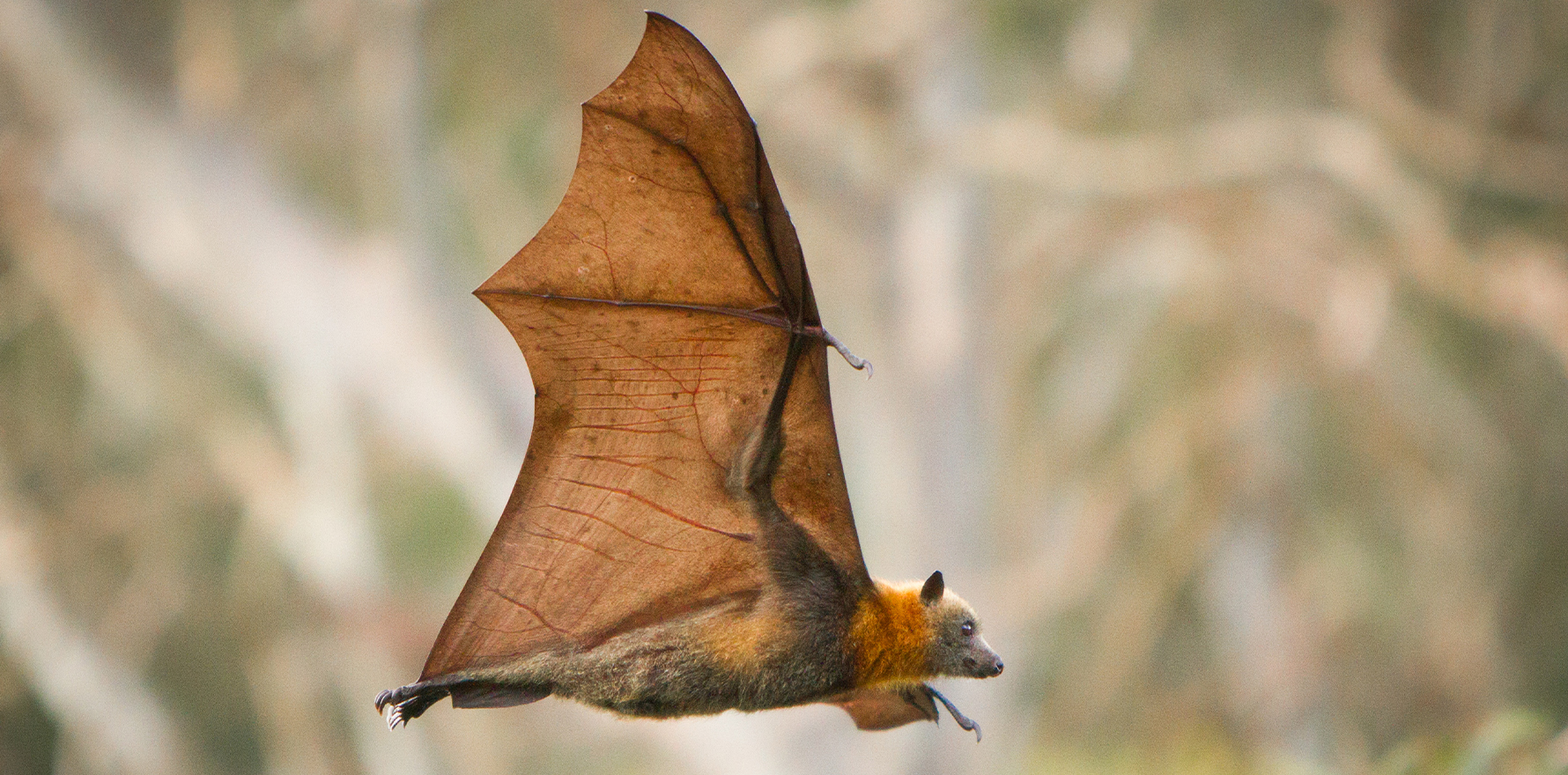
NSW has recorded a fourfold increase in bat bites and scratches, prompting warnings about the deadly Australian bat lyssavirus and the need for urgent post-exposure treatment.
GPs are being urged to act quickly when patients present with bat bites or scratches, after NSW Health reported a sharp increase in potential exposures to the deadly Australian bat lyssavirus.
In the two weeks from 28 September to 10 October, 43 people were assessed by NSW Health following bat bites or scratches, compared with just 10 during the corresponding fortnight last year.
The exposures occurred across several coastal regions, including Hunter New England, the Mid North Coast, Northern NSW, and the Central Coast.
NSW Health has reminded clinicians that Australian bat lyssavirus (ABLV), a close relative of the rabies virus, is almost always fatal once symptoms develop, making prompt wound management and post-exposure prophylaxis essential.
Under the department’s contact management protocol for GPs and urgent care providers, clinicians must immediately notify their local public health unit of any patient presenting with potential exposure to bats in Australia or overseas, or possible rabies exposure overseas.
GPs should contact the public health unit even if a patient presents after hours or on a weekend.
The public health unit is responsible for assessing the exposure and determining whether post-exposure prophylaxis (PEP), including rabies vaccine and human rabies immunoglobulin (HRIG), is required. Both are funded by NSW Health.
Clinicians should immediately wash bite wounds and scratches thoroughly with soap and water for at least 15 minutes and apply a virucidal antiseptic, such as povidone-iodine or an alcohol solution.
Wounds should not be sutured unless unavoidable, and if suturing is necessary, indicated HRIG should be administered beforehand. Tetanus immunisation status should also be assessed.
Where HRIG is indicated, NSW Health recommends administering it at the same time as the first rabies vaccine dose, ideally on the day of exposure. It should not be administered more than seven days after the first PEP vaccine dose.
As much HRIG as can safely be administered should be infiltrated into and around the wound, with any remaining dose injected intramuscularly at a site distant from the vaccine injection.
GPs administering PEP must record rabies vaccinations in the Australian Immunisation Register and advise the referring public health unit of HRIG administration, adverse events, treatment refusal, or any failure to administer PEP as scheduled.
NSW Health also advises clinicians to consider possible unrecognised exposures, including situations where a bat has been found in a room with a sleeping person or a child who may be unable to reliably report a bite.
Previous rabies vaccination does not eliminate the need for assessment and further post-exposure vaccination.
NSW Health Director of Health Protection Keira Glasgow said the recent increase in exposures was particularly concerning as bats became more active during spring and summer.
“We want people to assume that any bat could carry Australian bat lyssavirus, which is a close relative to the rabies virus and very dangerous to humans,” she said.
“It is incredibly rare for Australian bat lyssavirus to transmit to humans, but once symptoms of lyssavirus start in people who are scratched or bitten by an infected bat, sadly there is no effective treatment.”
Related



Australia has recorded four human cases of ABLV infection since the virus was identified in 1996, including a case in NSW in July 2025. All four cases were fatal.
NSW Department of Climate Change, Energy, the Environment and Water executive director of conservation programs Ingrid Emery said food shortages were driving unusual flying-fox behaviour along the state’s eastern coastline.
“During food shortage events, flying foxes typically stay in feed trees during the day instead of returning to their larger colonies,” she said.
“Consequently, members of the community are seeing flying-foxes remaining in their backyard trees during the day.”
The food shortage extends from the Clarence Valley to the South Coast, with conditions expected to improve when natural food supplies become more widely available.
NSW Health has urged the public not to handle injured or distressed bats and to contact trained wildlife rescuers instead.
GPs can contact their local public health unit for advice on potential exposures and post-exposure management on 1300 066 055.
While the latest warning relates to NSW, Australian bat lyssavirus is present in bats across Australia. Health authorities in other jurisdictions, including Queensland and Victoria, also advise clinicians to urgently assess potential exposures and arrange post-exposure prophylaxis where indicated.
