

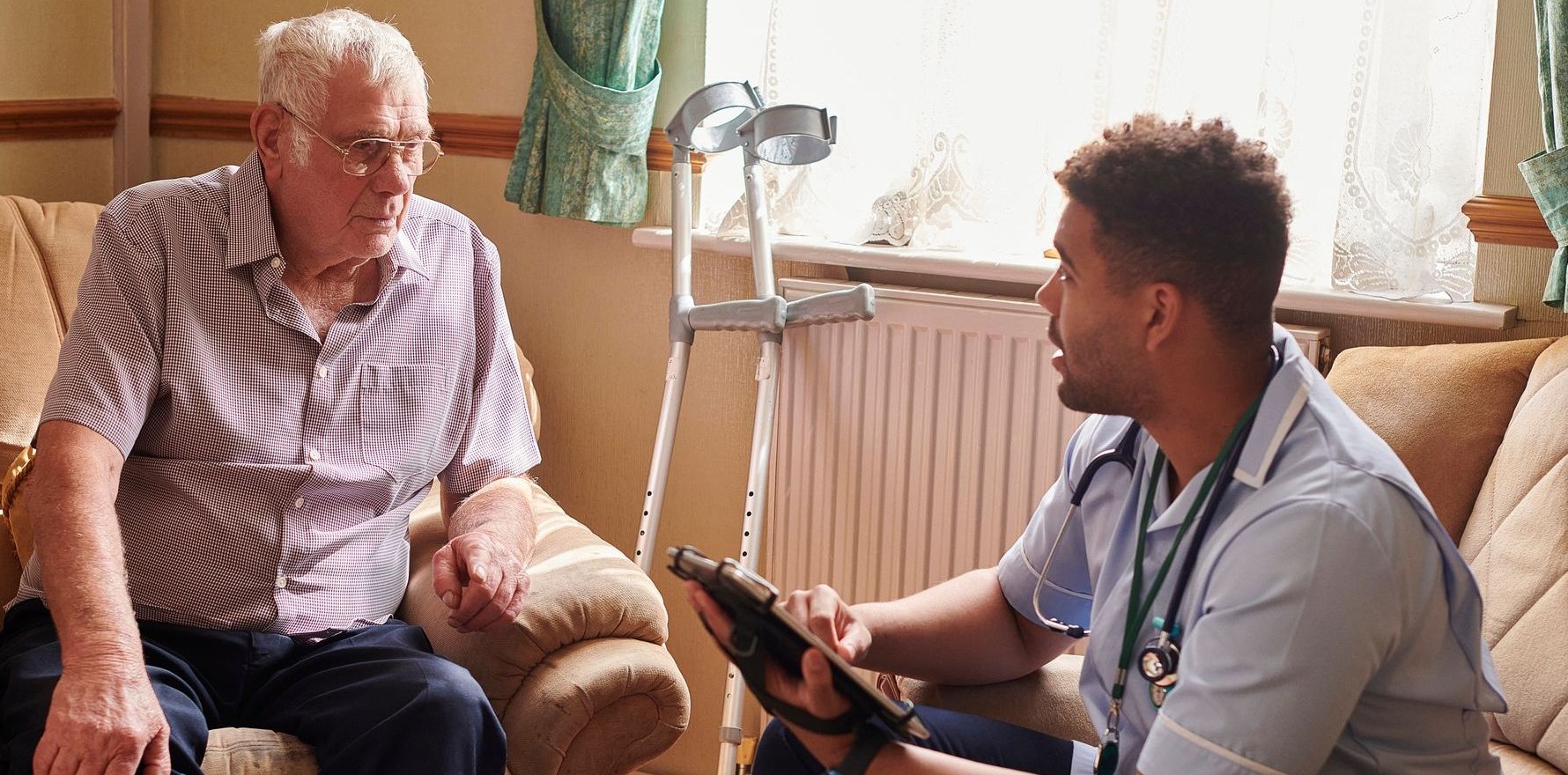
New Australian data quantifies the different models of general practice care in residential aged care homes – as well as how satisfied GPs are with them.
Over half of GPs working in residential aged care homes are happy with how their current model of care operates, but more GPs are unhappy with their renumeration regardless of what model they use, a new Australian survey has revealed.
The findings, published in Family Practice, show that general practice remains a key part of medical care within residential aged care homes (RACHs), but that relational and structural barriers require “strengthened funding arrangements, workforce support, and targeted training… to maintain GP engagement and ensure sustainable, high-quality general practice in aged care”.
Australian researchers surveyed 105 GPs who worked in practices involved in the care of residents in aged care homes to learn more about the different models of GP care that operate in aged care homes and how GPs felt about said models.
Most respondents were aged 40-59 years (58%), female (53%), and had more than 10 years of experience in general practice (82%). One in four had completed further aged care training, and half of respondents worked between 21 and 40 hours per week in general practice.
The principal practice of respondents was mainly in metropolitan areas (Modified Monash Model area 1, 53%), followed by rural and remote areas (MM4 to MM6, 28%) and regional areas (MM2 and MM3, 19%).
When asked about how long they intended to remain in RACH services, 23% responded with one year or less, 41% with two to five years, 10% with six to 10 years, and 26% with more than 10 years.
The most common model of care among GPs working in RACHs was providing continuing care for existing practice patients (36%), followed by accepting new RACH patients for caring for all residents (17%), providing scheduled care in a few homes (15%), team-based care with a nurse practitioner or practice nurse (5%), and being contracted or employed by an aged care provider (4%).
The majority of respondents were satisfied or very satisfied with their model of care (53%), how they were able to schedule routine care (60%), the documentation processes associated with providing general practice services (52%), and communication processes for urgent medical issues (55%).
However, 59% were unsatisfied or very unsatisfied with the renumeration they received for their services (compared to just 18% who were satisfied or very satisfied), and only 49% were happy with their leave cover arrangements (compared to 23% who were unhappy).
The researchers noted that the level of satisfaction with the elements of aged care practice did not vary between respondents who worked in a structured (scheduled, team-based, or direct contract/employment) or unstructured (ongoing care of practice patients or practices accepting all residents) model of care.
“Compared to other aspects of aged care practice, remuneration attracted the lowest satisfaction ratings, aligning with evidence that financial barriers remain a persistent challenge for GPs in RACHs,” the researchers wrote.
“This pattern also reflects international data, with only 17% of Australian GPs across all practice settings reporting high satisfaction with income, the lowest among comparable high-income countries (e.g., United Kingdom and Switzerland).
Related



“Our data indicate that while GPs expressed generally positive engagement with RACH care, ongoing dissatisfaction with remuneration underscores structural pressures that may compromise the sustainability of aged care practice.
“These findings suggest there is unlikely to be a “one-size-fits-all” approach to general practice in Australian aged care, with previous evidence further highlighting flexibility and workload balance as key determinants of GP satisfaction.”
The researchers acknowledged the generalisability of their findings may be limited by the small sample size, the predominance of mid-career practitioners among their respondents, and the potential for bias among respondents (as clinicians who were less engaged in or no longer providing general practice care in RACHs were less likely to respond).
