

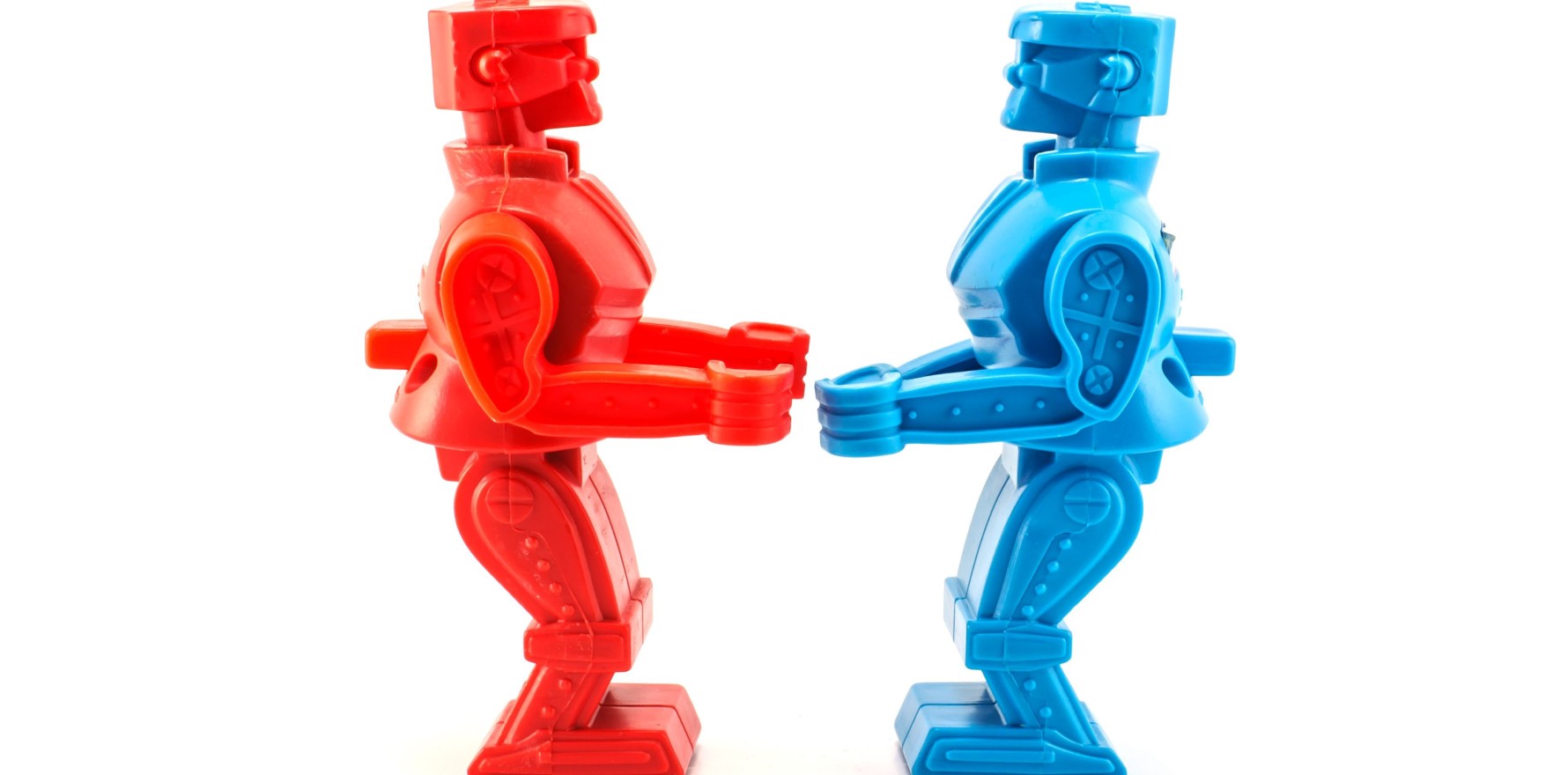
What do you say when a patient walks in with an AI diagnosis?
It used to be: “Hey doc, Google says I have cancer.” We would laugh it off. Two more clicks and you are dead. Classic.
Not anymore.
Now patients walk in and say: “Doctor, I described my symptoms to Claude AI and it told me I have this specific diagnosis with these specific findings and here is why.”
And I have to tell you, that is a completely different conversation.
Google gave them a list of possibilities ranked by how terrifying they were. Claude gave them a differential diagnosis with reasoning – structured, confident, detailed.
So how do I respond when a patient walks in with an AI diagnosis? I say: that is actually great. Tell me everything you told it.
Not because I trust the AI over my clinical judgment, but because that conversation is pure clinical gold.
It tells me exactly what the patient is afraid of. What kept them up at 2am. What they were too embarrassed to lead with. What they actually came in for underneath the chief complaint they gave the triage nurse.
And it tells me precisely what I need to address to send them home feeling heard and safe.
Related
But here is what Claude did not know.
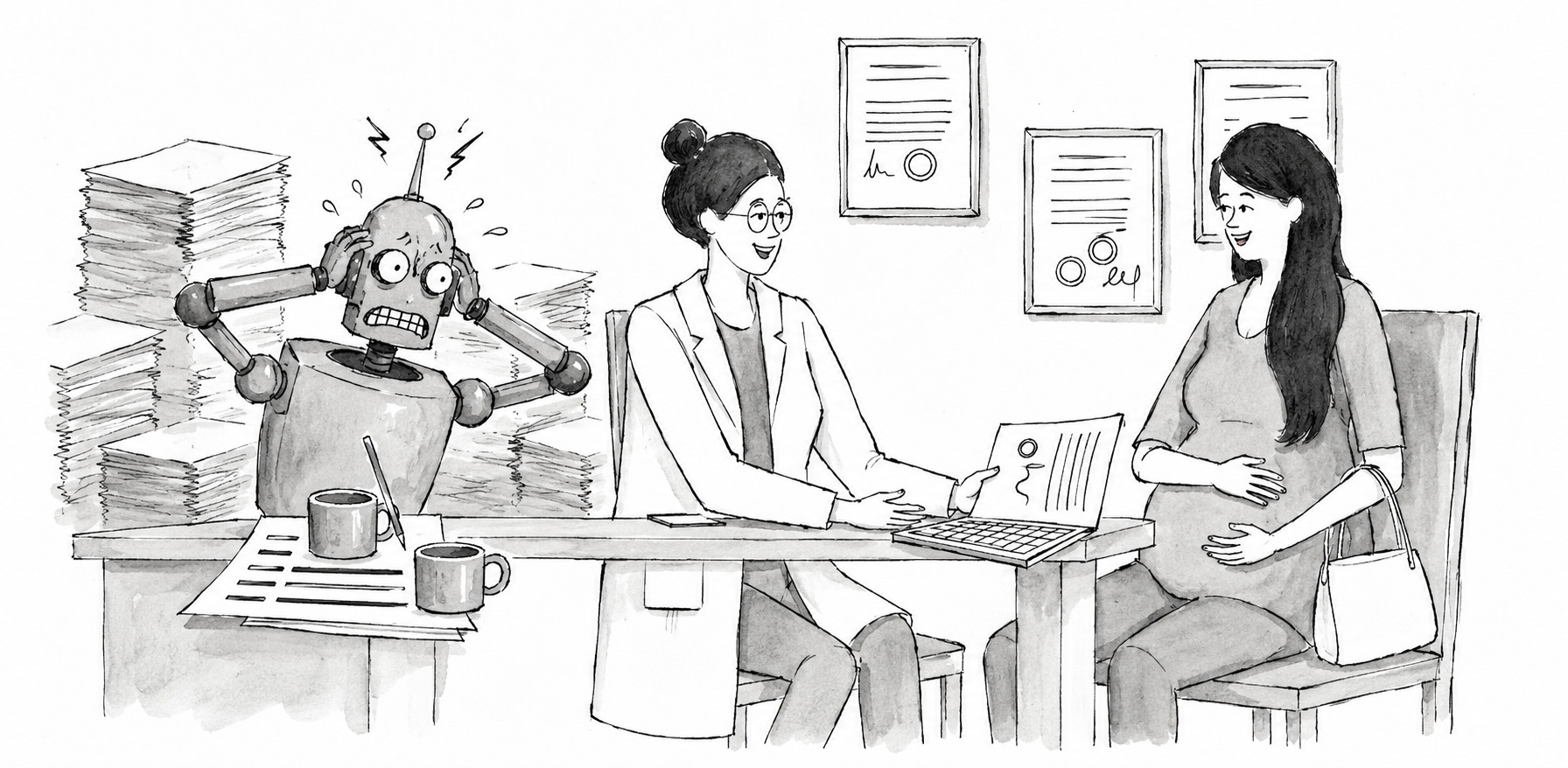
Claude did not hear that her voice changed when I asked about stress at home. Claude did not see her wince when she shifted in the chair. Claude did not pick up the heart murmur I heard the moment I put my stethoscope on her chest. Claude did not notice she was guarding her abdomen when she thought I had looked away.
Claude had a conversation. I had an encounter. Those are not the same thing and they never will be.
The physicians who struggle in this era will be the ones who dismiss what patients bring in from AI. The ones who thrive will be the ones who use it as a starting point and then do what only a physician in that room can do.
What do you say when a patient walks in with an AI diagnosis? I genuinely want to know how other physicians are handling this.
Dr Mohammad Chelehmalzadeh is an emergency medicine physician in Connecticut, US. He is the CEO and founder of TebScribe and TebIQ AI.
This article was first published on Dr Chelehmalzadeh’s LinkedIn feed. Read the original article here.
