


Australia's emergency warning test will override silent mode, but doctors wanting to avoid the siren on Monday afternoon have options. See the expert advice.
GPs worried about a shrieking emergency siren interrupting consultations on Monday afternoon have been told the only guaranteed way to avoid the nationwide AusAlert test is to switch their devices off or put them into aeroplane mode before it begins.
Australia’s first national test of the new cell broadcast emergency warning system will hit compatible mobile phones, tablets and smartwatches at 2pm AEST on Monday, with a loud 10-second siren and full-screen notification that will override silent mode and “do not disturb” settings.
The system is due to go live nationally in October after replacing the current SMS-based Emergency Alert system.
While much of the public messaging has focused on domestic and family violence survivors using concealed phones, experts said the test would also create practical challenges for people working in environments where interruptions matter, including healthcare.
Their advice to clinicians is straightforward – if you have patients booked during the scheduled test and cannot afford an interruption, power your phone down or activate aeroplane mode beforehand. Simply silencing the device will not stop a Critical Alert from sounding.
“You will also need to leave it in this state for around an hour,” said Professor Paul Haskell-Dowland, professor of Cyber Security Practice at Edith Cowan University.
Under the new system, Critical Alerts are reserved for the most serious emergencies and are designed to cut through user settings to ensure people receive potentially life-saving information. Priority Alerts, by contrast, can be adjusted or disabled through normal device settings.
The national test has been classified as a Critical Alert, meaning there is no opt-out.
The advice is likely to resonate with GPs and specialists running afternoon clinics, where an unexpected alarm from multiple phones in consulting rooms could derail sensitive conversations or examinations.
Authorities stress that no action is required when the test message appears. The alert will clearly identify itself as a test and is intended to familiarise Australians with what a genuine emergency notification will look and sound like before the system launches later this year.
AusAlert uses cell broadcast technology rather than SMS, allowing emergency agencies to rapidly send warnings to compatible devices within a defined geographic area without relying on congested mobile networks.
The technology was recommended following the Black Summer bushfires in 2019-20, when delays and network failures highlighted the limitations of SMS-based emergency messaging.
Experts have also warned that the alert could be a trigger for people already traumatised by previous disasters.
Related
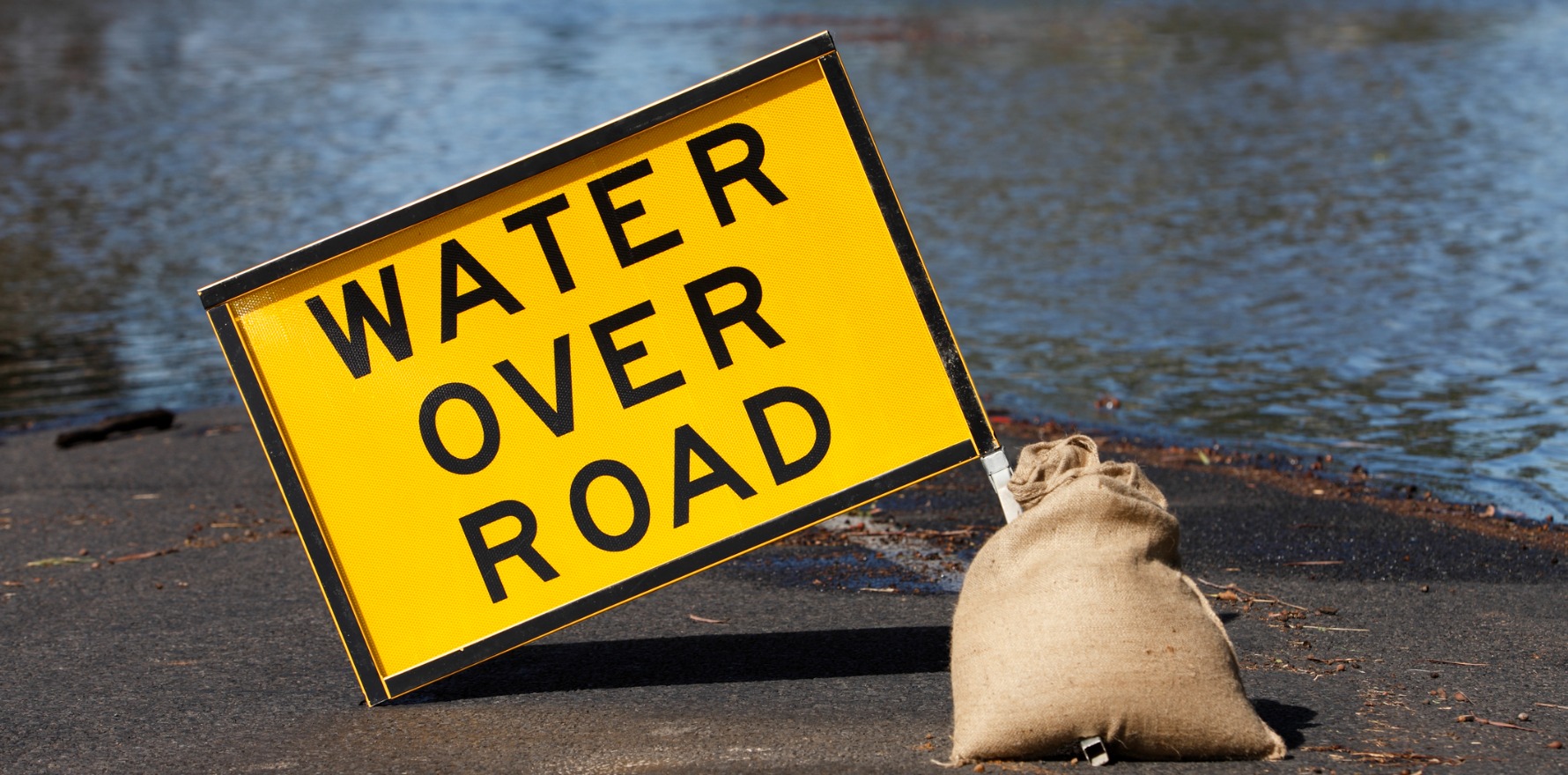
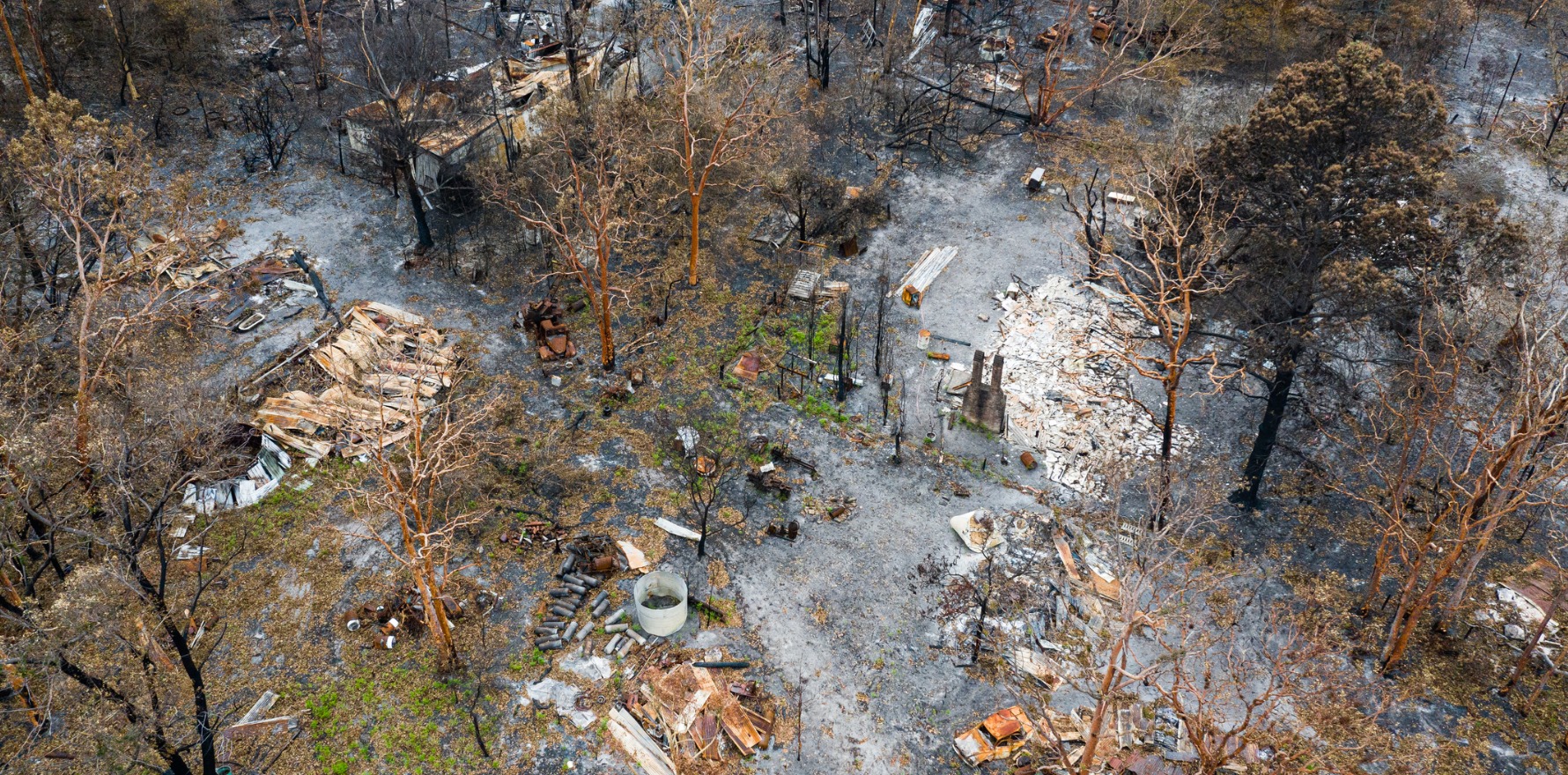

Dr Kylie McIntyre, a trauma researcher and deputy director of the Violet Vines Marshman Centre for Rural Health Research in the Rural Health School at La Trobe University, said this was an important consideration.
“While emergency warnings are critical for community safety, they can also trigger distress in people affected by previous disasters,” she said.
“Effective preparedness is about supporting psychological wellbeing as well as physical safety.”
Associate Professor Janet Schloss, principal investigator of the HEART Trial at Southern Cross University, which is examining climate-related PTSD in NSW Northern Rivers communities affected by natural disasters, said she believed the planned national emergency alert system test may evoke a range of responses among individuals with trauma histories.
“For some, an emergency alert tone may trigger memories of past floods, bushfires, evacuations, or periods of threat. These reminders can lead to temporary increases in anxiety, heightened vigilance, distress, or stress responses,” Professor Schloss said.
“Other considerations apply for Northern Rivers flood-affected communities. Many people are still experiencing homelessness, displacement, and limited access to reliable mobile coverage and internet.
“For these individuals, being told an alert will be sent and then not receiving it may be distressing. Some may recall missed warnings during previous flood events and interpret the absence of an alert as a system failure, potentially reactivating feelings of fear, vulnerability, abandonment, or mistrust.
“However, advance notification of the test may provide benefits. Knowing when and why the alert will occur may help individuals feel more prepared, restore a sense of predictability and control, and reinforce the role of emergency warning systems in protecting community safety. In saying that, even with warning, it could still be triggering for some people.”
For more information about AusAlert see here.
