

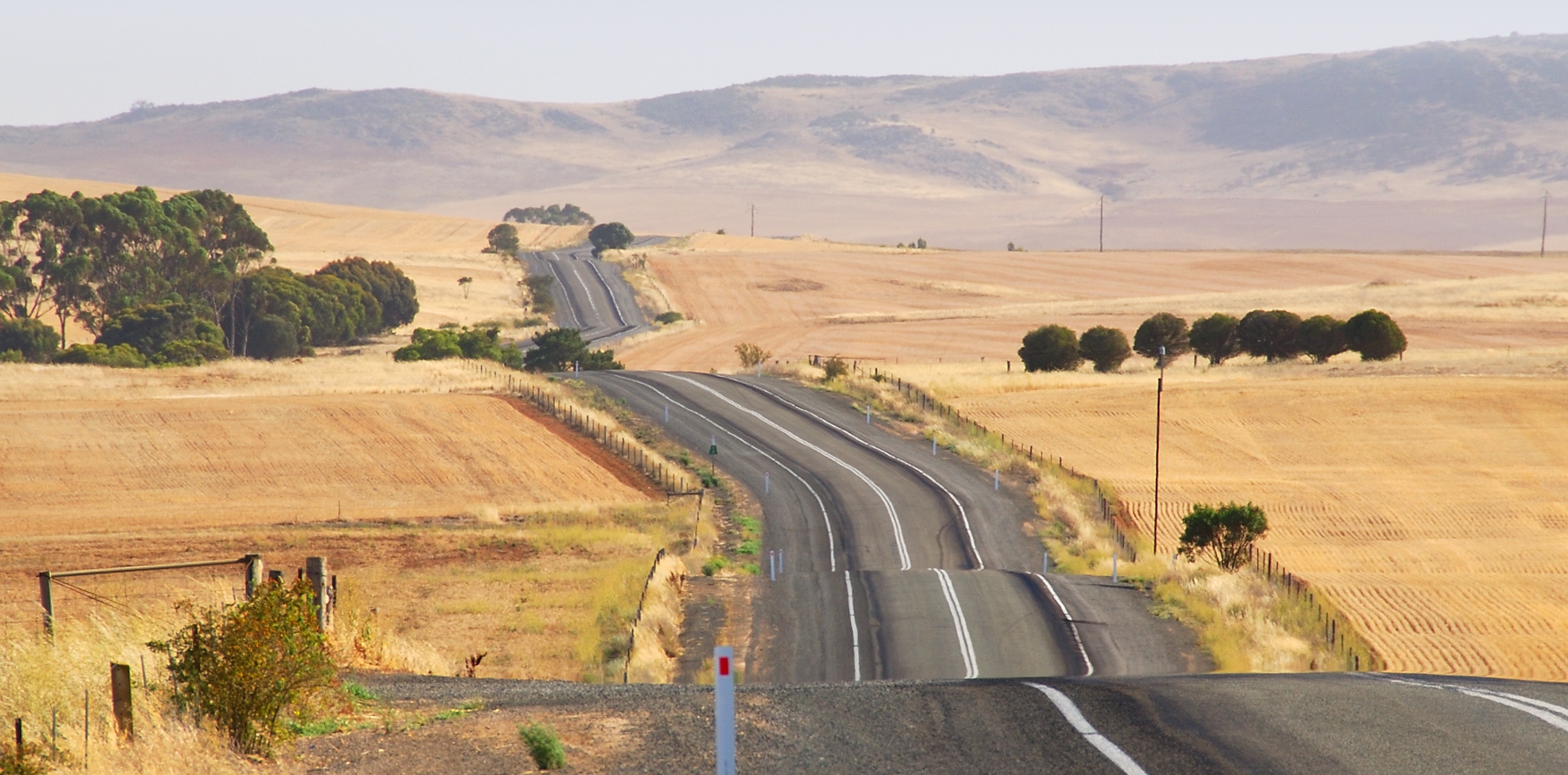
From childcare to housing, ACRRM is looking to improve retention for the rural generalist workforce.
With a budget around the corner, the Australian College of Rural and Remote Medicine (ACRRM) has highlighted that workforce retention is more than just health funding.
Liveability was the core focus of the college’s latest statement, arguing that a sustainable rural generalist workforce needed secure housing and reliable childcare.
This call was backed by evidence from the Regional Australia Institute that housing supply was not keeping pace with population growth, with rental markets remaining tighter than in capital cities.
“The government’s made some pretty substantial investments in in training, so that we’ve got a better supply,” ACRRM president Dr Rod Martin told The Medical Republic.
“But you don’t want to have it that just as you’re getting people into towns, there’s nowhere for them to live, nowhere to have childcare, and there’s no real opportunities for their partners.
“It is very much the finishing off component that all three tiers of government need to have a role in, to try to reinforce some of the work that’s already been done.
“That’s what helps sustain and make good on the investment that the federal government’s made in terms of getting more and more rural generalists trained in the places that they’re needed.”
Related

Housing reforms are one of ACRRM’s target components, including reforms via the National Housing Accord to prioritise areas with critical rural health workforce shortages.
As for childcare, from January 2026 eligible families were guaranteed at least 72 hours of subsidised childcare per fortnight regardless of activity, with 100 hours also available under extra guidelines.
However, ACRMM argued that many rural communities simply did not have the services to benefit rural healthcare with this scheme.
“Childcare just has to work for rural life,” Dr Martin said.
“That means after-hours, it means flexibility — because that’s how rural generalists actually work.
“If families can’t make it work day-to-day, they’re not going to move to a rural or remote town — or stay there.”
Dr Martin predicted difficulties, given the expected “big-ticket expenditures”.
“We know that this budget is going to be pretty damn tight,” Dr Martin told TMR.
“We’re not talking about gold-plated five-star accommodation.
“What you need is to not have to come home to a hot box that’s going to be pretty difficult to stay comfortable in.
“But there needs to be a plan so that when there is more money available, governments can more readily bring forward expenditure to make sure that accommodation in rural and remote communities is number one.”
