

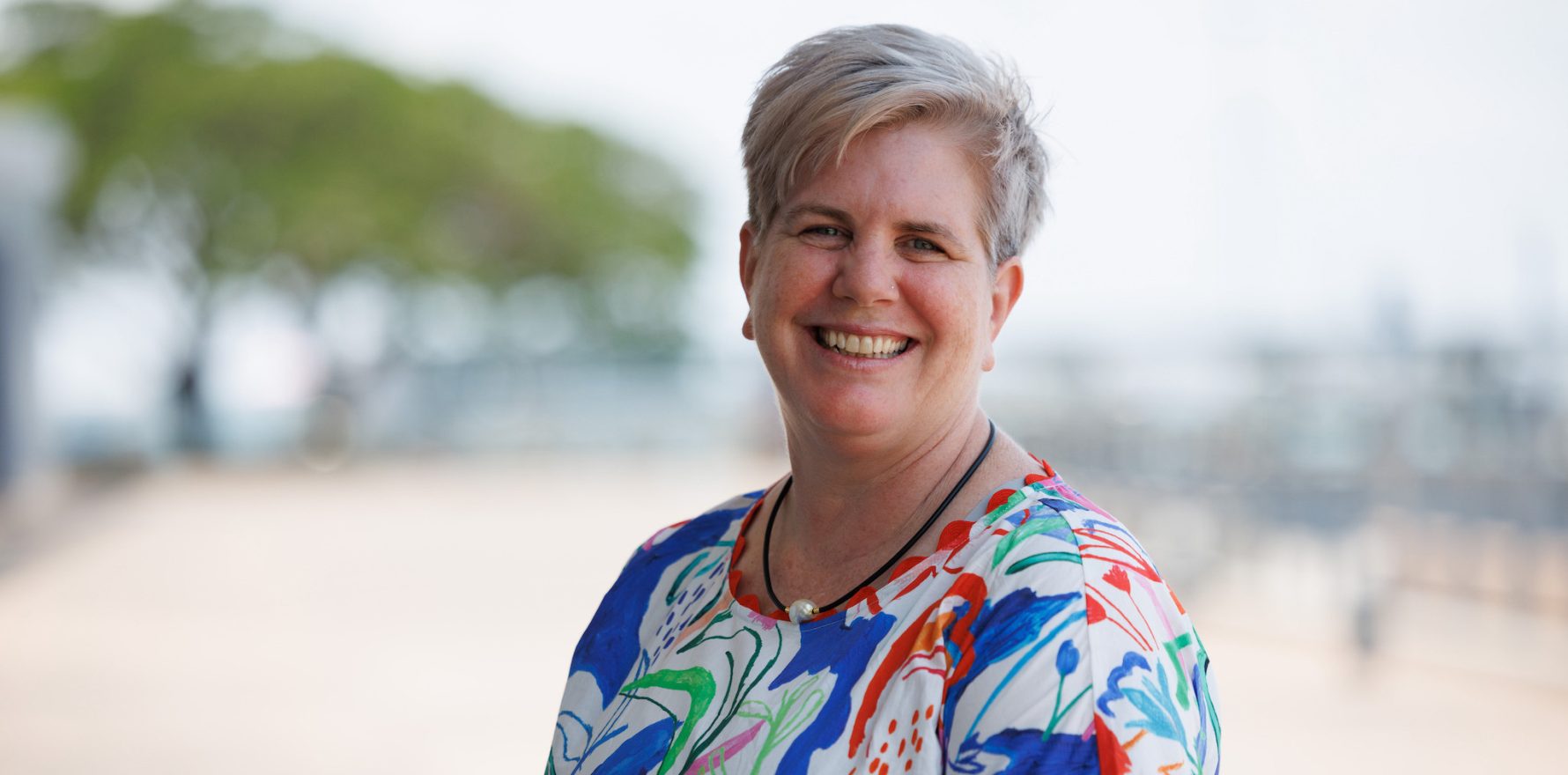
Incoming RDAA president Dr Sarah Chalmers is armed and ready to tackle the issues facing rural and remote health.
Rural health sits at a “pivotal point” with incoming RDAA president Dr Sarah Chalmers poised to keep the progress ball rolling.
Based in the Northern Territory, Dr Chalmers is the first RDAA president from the north and has a passion for providing greater support to remote practices.
Dr Chalmers comes in as president during an already big year for rural health after a federal election and formal recognition of rural generalism as a medical specialty.
This recognition, says outgoing president Dr RT Lewandowski, is a figurative “place to land” for rural health to keep reform and practice progression ongoing.
Dr Chalmers is adamant that leadership turnover should slow progress but be seen rather as a simple handing on of the baton.
“The turnover is important to recognise – your place in continuing what’s already in motion,” Dr Chalmers told The Medical Republic.
“While your job as president in the advocacy is about continuing the work that we’re already doing, being able to bring that extra view into the picture is always helpful.
“I’m a remote doctor, I’m a remote specialist, and I predominantly work in really remote Aboriginal and Torres Strait Islander communities.
“I feel like I’m bringing a different context and a different perspective.”
Dr Chalmers says these personal experiences have been beneficial when it comes to policy advocacy, especially for rural and remote health.


“Because of a lot of advocacy work has been done already, lots of people have got to now get a bit of a picture in their head as to what it looks like for rural practice,” Dr Chalmers said.
“So the opportunity to put a little bit more focus on what happens in remote health, that’s important.”
Dr Lewandowski said it’s an exciting time for rural health to build upon past reforms and develop strategies outside of spending.
“If we’re going to invest in rural health, and we’re going to invest in program, that program has to produce something other than spending,” Dr Lewandowski told TMR.
“Any money that goes into rural health ought to have an outcome goal, and the ultimate outcome goal ought to be health.
“You need to not keep funding things that don’t produce, and that’s something we need to see happen.”
Dr Chalmers highlighted how supporting current staff needs to be addressed more in conversations surrounding workforce shortages.
“We should be looking after the workforce that we have right now and the pressures that we experience because of our day-to-day stuff,” she said.
