

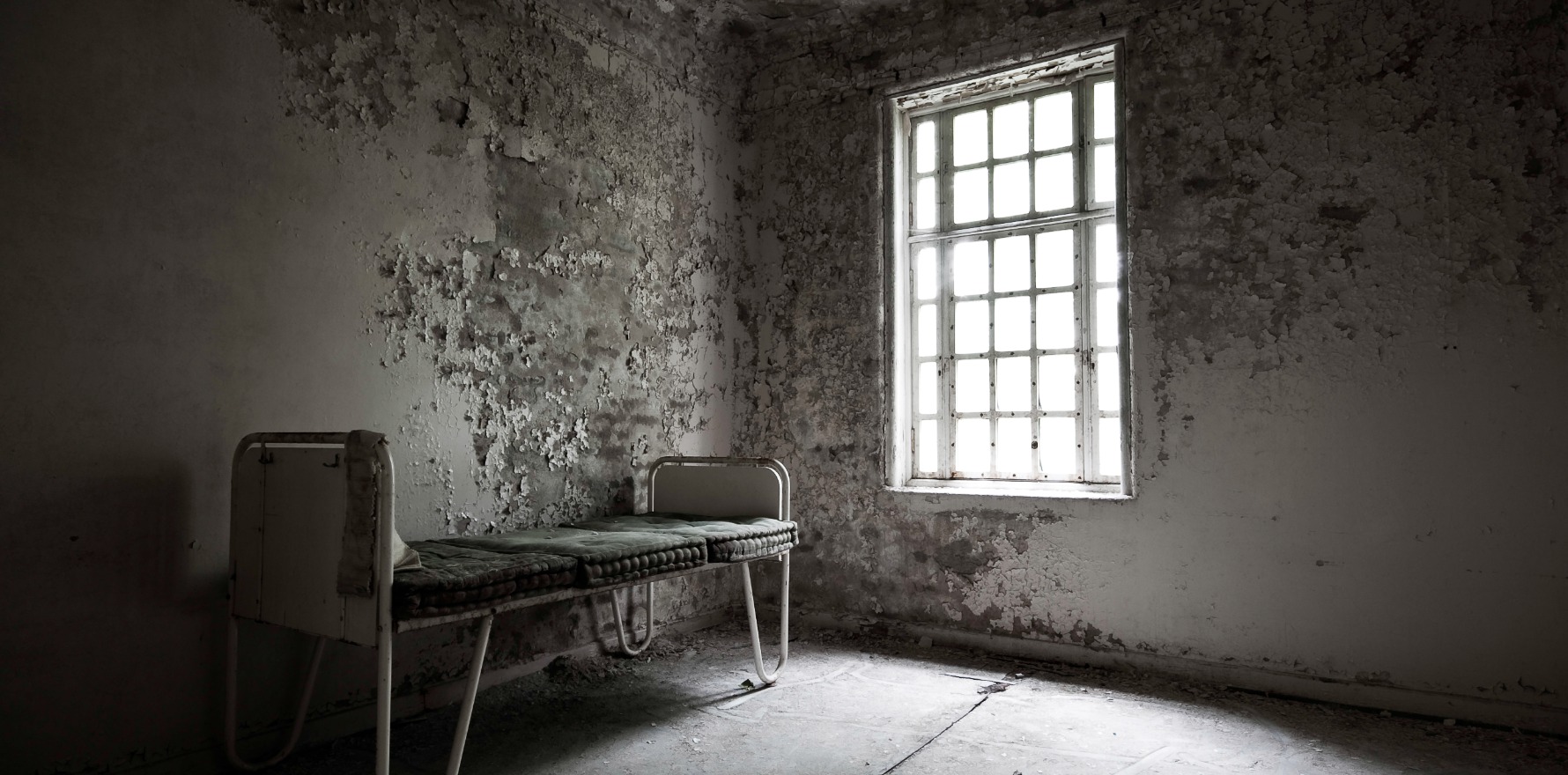
There will always be a subsection of patients who need home visits, but these are becoming increasingly difficult to do.
They might be increasingly rare, but – until GPs can give a vaccination over the phone – home visits are here to stay, says Associate Professor Joel Rhee.
Professor Rhee, a GP with special interest in aged care and the head of general practice at UNSW, recently conducted an analysis of MBS-funded GP home visits over the last 30 years as part of a grant application to the Australian General Practice Research Foundation.
He found that the number of GP home visits billed to Medicare had declined by 85% since 1994, sitting at under 500,000 per year as of 2024.
Of course, there have been some significant technology advances over that time, telehealth being the most obvious one.
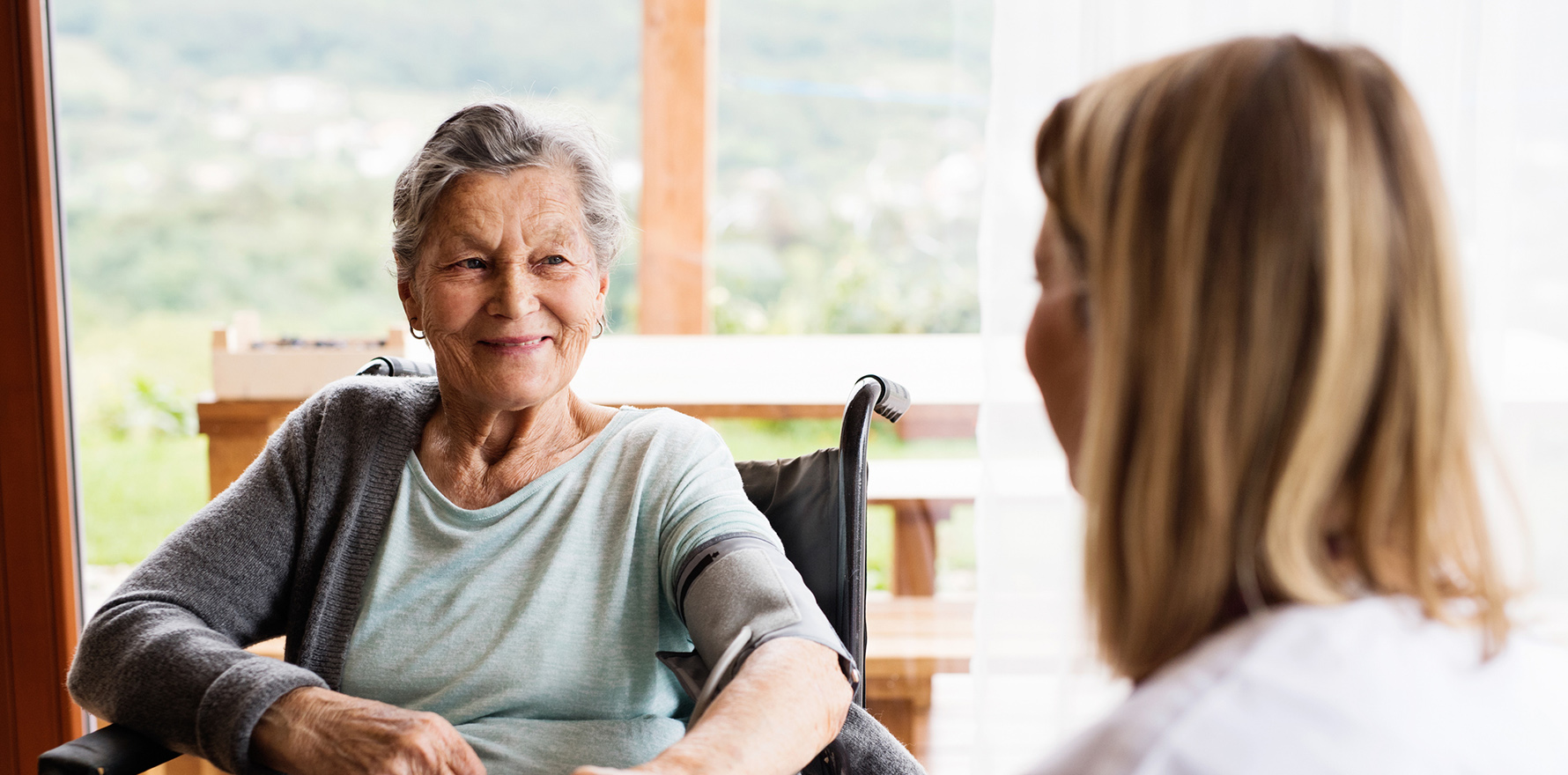
“People with multi mobility and disability, older adults who often have frailty [and] people with end-of-life care needs – these are the sort of patients who benefit the most from home visits,” Professor Rhee told The Medical Republic.
“Just trying to look after them without actually seeing them face-to-face at least some of the time – I think it’s really difficult.
“The classic example is immunisation. There’s no technology at the moment that allows you to vaccinate people over the phone or electronically.”
While Professor Rhee plans to study the issue more closely, he said the two major factors discouraging GPs from home visits were concerns about safety and concerns about cost.
Of the two, he described cost as the “low-hanging fruit”.
MBS item 24, the most-commonly-billed Medicare item covering the extra costs of a home visit, rebates GPs just $30.70 for a maximum of six patients.
Related


“If you’re seeing five patients [in one day], that’s $6 per patient for travel time, and not to mention the time taken by the doctor [to pack their belongings] but also the fuel … and the cost of the car,” Professor Rhee said.
“Not to mention that $30 is not something that just pays for the GP’s travel – a portion of that $30 has to go to the practice.
“It’s actually hugely problematic in terms of ensuring sustainability, and it acts as a huge barrier.”
Even among doctors who are willing to provide home care, Professor Rhee said, the cost was becoming difficult to bear.
