

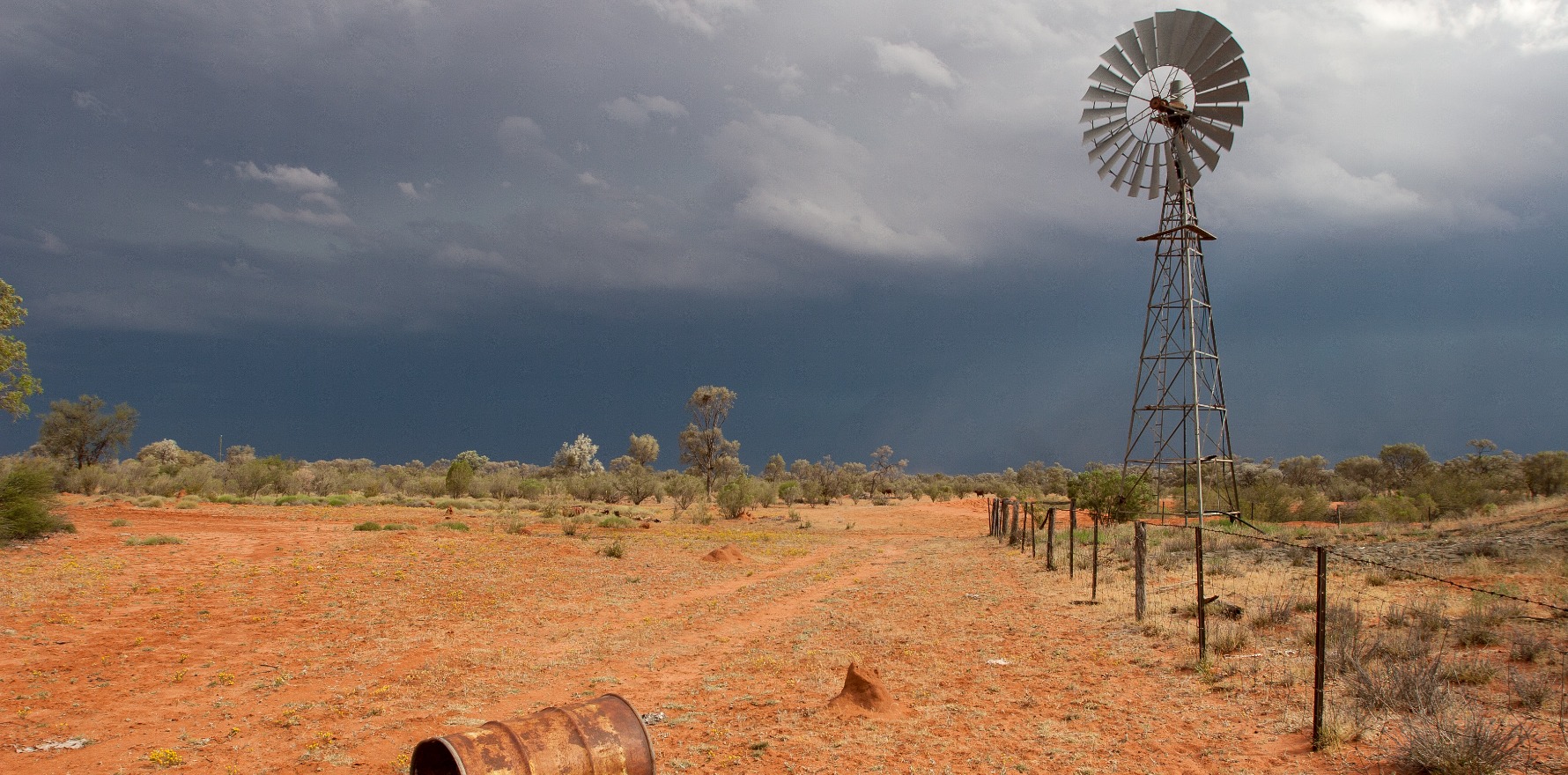
A rise in fuel cost spells danger for the remote Australian communities cut off by flood waters.
Higher petrol prices may be an annoyance to city-dwellers, but for Australians living in remote regions it can mean the difference between accessing healthcare or going without.
Rural Doctors Association of Australia president Dr Sarah Chalmers, a remote generalist based in the Northern Territory, told The Medical Republic that fuel underpins the ability to run outreach clinics, deliver medications and operate air retrieval services.
“Patients who drive themselves, perhaps not so much for urgent care, but to access more specialised services in a less rural area, are now having to work out whether or not they can actually afford to do that,” she said.
“That’s where the price is going up.
“And from a shortage perspective, if there isn’t fuel available, then people actually won’t be able to travel for what could be significant healthcare needs.”
While various jurisdictions do offer patient travel subsidies, these often have not kept pace with inflation.
NSW offers 40c per kilometre for patients who have to drive themselves more than 100km one way or 200km within a week; Queensland provides even less, at 34c per kilometre for patients who travel more than 50 kilometres from their closest public hospital.
In any event, Dr Chalmers said, travel subsidies “definitely haven’t had a sudden spike to match the fuel costs in recent weeks”.
Rising petrol prices don’t just exacerbate existing health access issues.
“In the case of really remote communities who may only get power from a small community diesel generator – if they don’t have fuel, they don’t have power,” Dr Chalmers said.
“Which will probably affect their water supply.
“And if there’s anybody in the community requiring medical devices – so they might be on peritoneal dialysis or have an oxygen concentrator – they actually won’t be able to have access to that care. And that’s pretty significant.”
While Dr Chalmers is primarily based in Darwin in her role as the deputy director of medical services for NT Health and the senior medical advisor to the office of the NT’s chief medical officer, her clinical work as a rural generalist takes her to remote communities across the region.
Related


Last week, ex-tropical cyclone Narelle made landfall in the territory.
It was the seventh high-risk weather event to hit far north Australia in just five months.
“We’ve had several communities that have been evacuated more than once this year already,” Dr Chalmers said.
“There are a number of places that are now cut off from a road perspective.
“The more remote people are, the more difficult that will be. They will be likely to be running out of fuel, running out of food.”
From a solutions perspective, Dr Chalmers said she wanted to see an equity lens applied to funding for support services.
“Increased prices for fuel means increased food prices,” she said.
“The further out from the city that you go, the cost of food is rising.
“It was already much more expensive in remote communities, and now it’s going to be even more expensive.
“And that’s on top of the fact that so much of northern Australia is significantly affected by flooding – that’s a double disaster.”
