

A six month-stockpile is mandated for all PBS medicines, and suppliers must alert the government if they can’t meet those obligations. So far, so good.
The Therapeutic Goods Administration says it has no concerns about drug shortages in the midst of the war in the Middle East and the fuel crisis.
A spokesperson from the Department of Health, Disability and Ageing told TMR today that the government had introduced measures in 2023 to safeguard against impacts of global medicine shortages by strengthening buffer stock.
“The TGA has not observed an increase in medicine shortage notifications or anticipated shortages linked to fuel constraints arising from the conflict in the Middle East,” they said.
“The TGA is actively monitoring medicine supply in response to developments in the Middle East and is working closely with industry to identify any emerging or potential supply issues as early as possible so that they can be managed appropriately. “
The Australian Government introduced measures in 2023 to safeguard Australians from the impacts of global medicine shortages by strengthening onshore buffer stocks.
The Minimum Stockholding Requirements legally mandate that suppliers maintain up to six months’ supply of PBS medicines. These requirements cover essential medicines commonly used in Australia. The stock must be physically located in Australia and available for sale.
Suppliers are also required to notify the department as soon as possible if they are concerned that they cannot meet their minimum stockholding obligations.
Related



“The department actively monitors these notifications to ensure that any potential supply disruptions are identified early, and required action is taken, so Australians continue to have reliable access to the medicines they need,” said the DoHDA spokesperson.
Liz de Somer, CEO of Medicines Australia said:
“At this stage, we are not aware of any imminent concerns regarding medicine shortages in Australia arising from the Middle East conflict,” she said, emphasising that patients did not need to stockpile medicines.
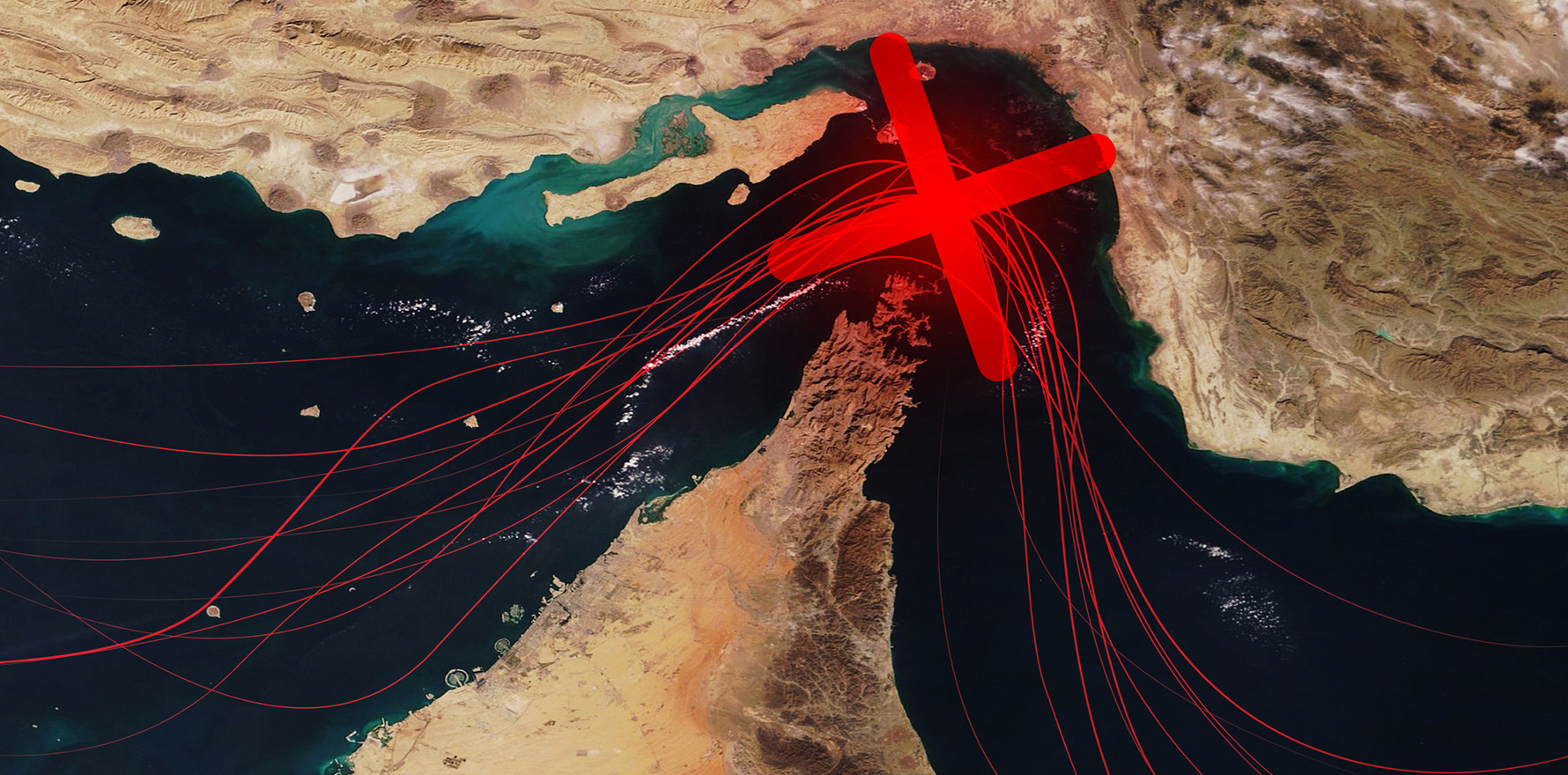
“Companies have contingency plans in place and have already made adjustments where needed, including rerouting shipments, shifting from sea freight to air freight, and identifying alternative logistics pathways to ensure medicines continue to reach Australia.”
She added that PBS medicines are patient-cost protected. The price patients pay is determined by the government co-payment and does not fluctuate based on changes to supply chain or manufacturing costs.
Ms de Somer told the ABC last week that some companies were redirecting critical medicines from sea to air freight, while using alternative routes that avoided Middle Eastern airspace.
“This has an enormous impact on the cost to the industry, for the logistics,” she said.
“The fact that Australia is in a difficult geographical location presents some challenges. As we know, medicines are part of our national security, so it is having an impact on the industry’s costs and an ability to bring medicines to Australia, however … they’re doing everything in their power to ensure the supplies are available.”
