

Early differences were small, uncommon and largely disappeared by age two, according to a national cohort study of nearly 1.2 million children.
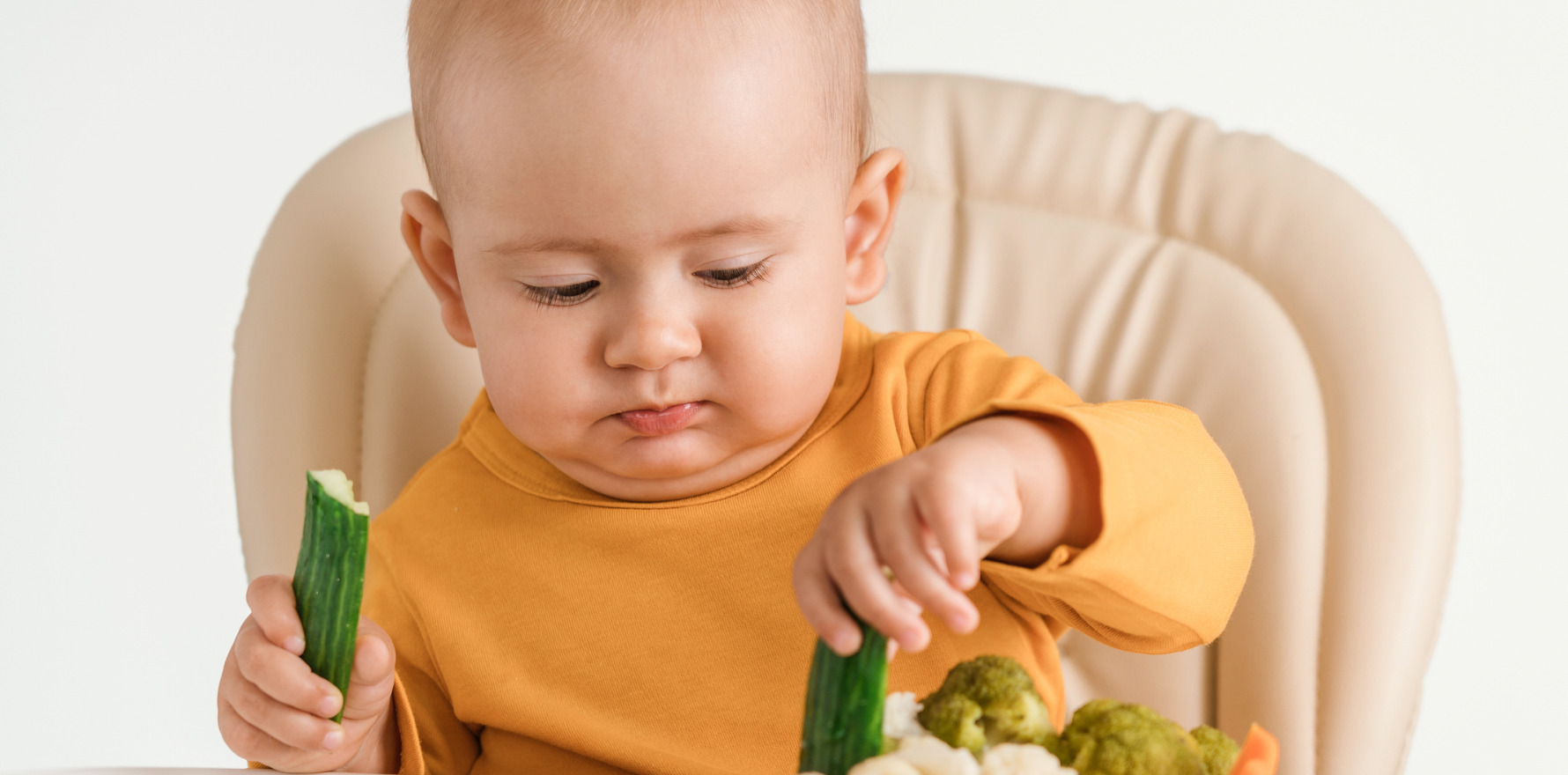
Infants from families following vegan diets show growth patterns that closely mirror those from omnivorous households, according to a large national cohort study.
The researchers say their results, published in JAMA Network Open, add substantial weight to the evidence base on plant-based diets in early life and pregnancy.
“These findings suggest that family vegan dietary patterns may support appropriate infant growth, but further work is needed to clarify how vegan diet quality and nutritional counselling during pregnancy and infancy support optimal infant development,” the researchers wrote.
The retrospective analysis followed almost 1.2 million singleton infants born in Israel between 2014 and 2023 and tracked their growth for up to 24 months using routinely collected measurements from public family child health centres.
Researchers compared length, weight, head circumference and World Health Organization growth indicators among infants from vegan, vegetarian and omnivorous households, adjusting for a wide range of perinatal, maternal and sociodemographic factors.
Most infants in the cohort were from omnivorous households, with small proportions from vegetarian and vegan families.
At birth and in the first 60 days of life, infants from vegan households were on average slightly lighter and shorter than those from omnivorous households, with mean differences of around 100g in weight and less than half a centimetre in length.
These translated to WHO z-score differences of less than 0.3, well below levels considered clinically meaningful.
Early infancy was the period in which differences were most apparent at the extremes of growth. While stunting prevalence was similar across dietary groups at around 7%, infants from vegan households had higher odds of being classified as underweight compared with those from omnivorous households.
The absolute prevalence remained low, and overweight was uncommon across all groups.
Longitudinal modelling of repeated measurements showed that growth trajectories for length, weight and head circumference in vegan and vegetarian infants tracked closely with those of omnivorous peers over the first two years of life.
After adjustment for birth weight, maternal age, parity, mode of delivery, breastfeeding duration and area-level socioeconomic factors, most between-group differences were further attenuated or disappeared altogether.
By around 24 months of age, stunting prevalence had fallen to below 4% in all groups, and there were no significant differences in underweight or overweight by household dietary pattern.
Birth weight appeared to play an important role in early differences. Infants from vegan households had lower mean birth weight and lower birth-weight-for-gestational-age centiles, as well as a higher prevalence of low birth weight and small-for-gestational-age status.
Adjusting for birth weight substantially reduced observed differences in postnatal growth, suggesting that prenatal factors may account for much of the early signal.
Breastfeeding patterns also differed by household diet. Mothers in vegan and vegetarian households were more likely to breastfeed and to do so for longer durations.
Prolonged breastfeeding was associated with slightly higher odds of stunting but lower odds of overweight, a pattern consistent with previous research and one that did not materially alter the overall findings.
The authors cautioned that the study relied on a single caregiver-reported household dietary classification and lacked detailed data on maternal nutrient intake, supplementation and diet quality, limiting insight into specific nutritional drivers.
Related

However, the scale of the dataset, the use of standardised anthropometric measurements and the consistency of findings across multiple analytic approaches strengthened confidence in the results, they said.
They said for clinicians and public health practitioners, the study offered reassurance that, in a high-income setting with access to preventive care, vegan family dietary patterns can support normal infant growth.
At the same time, the small increase in early underweight highlights the need for careful nutritional counselling during pregnancy and infancy, particularly around nutrients that may be limiting in vegan diets, alongside routine growth monitoring to identify and address issues early.
“Recent literature has indicated that well-planned vegan diets may meet children’s nutritional needs and support healthy growth with appropriate supplementation (e.g., vitamin B12) and nutrient monitoring,” the researchers wrote.
“Children following a vegan diet typically exhibit lower cholesterol levels and a reduced prevalence of overweight and obesity compared with children following an omnivorous diet.
“Nonetheless, poorly planned vegan diets can result in deficiencies, particularly in vitamin B12, vitamin D, calcium, iron, iodine, and omega-3 fatty acids.
“Furthermore, modern vegan diets in Western countries often include highly processed alternatives to animal-based foods, which are not recommended and may replace minimally processed plant foods.
“This evidence highlights the importance of nutritional counselling and paediatric follow-up of infants and children from vegan households, as well as pregnant and breastfeeding mothers.
“Vegan diets are generally higher in fibre, are lower in saturated fats, and have favourable nutrient profiles, possibly explaining their association with lower obesity odds.
“However, since nutritional adequacy varies widely among families, future research should assess actual intake, supplementation, and biomarkers to better characterise diet quality in children from vegan households.”
