

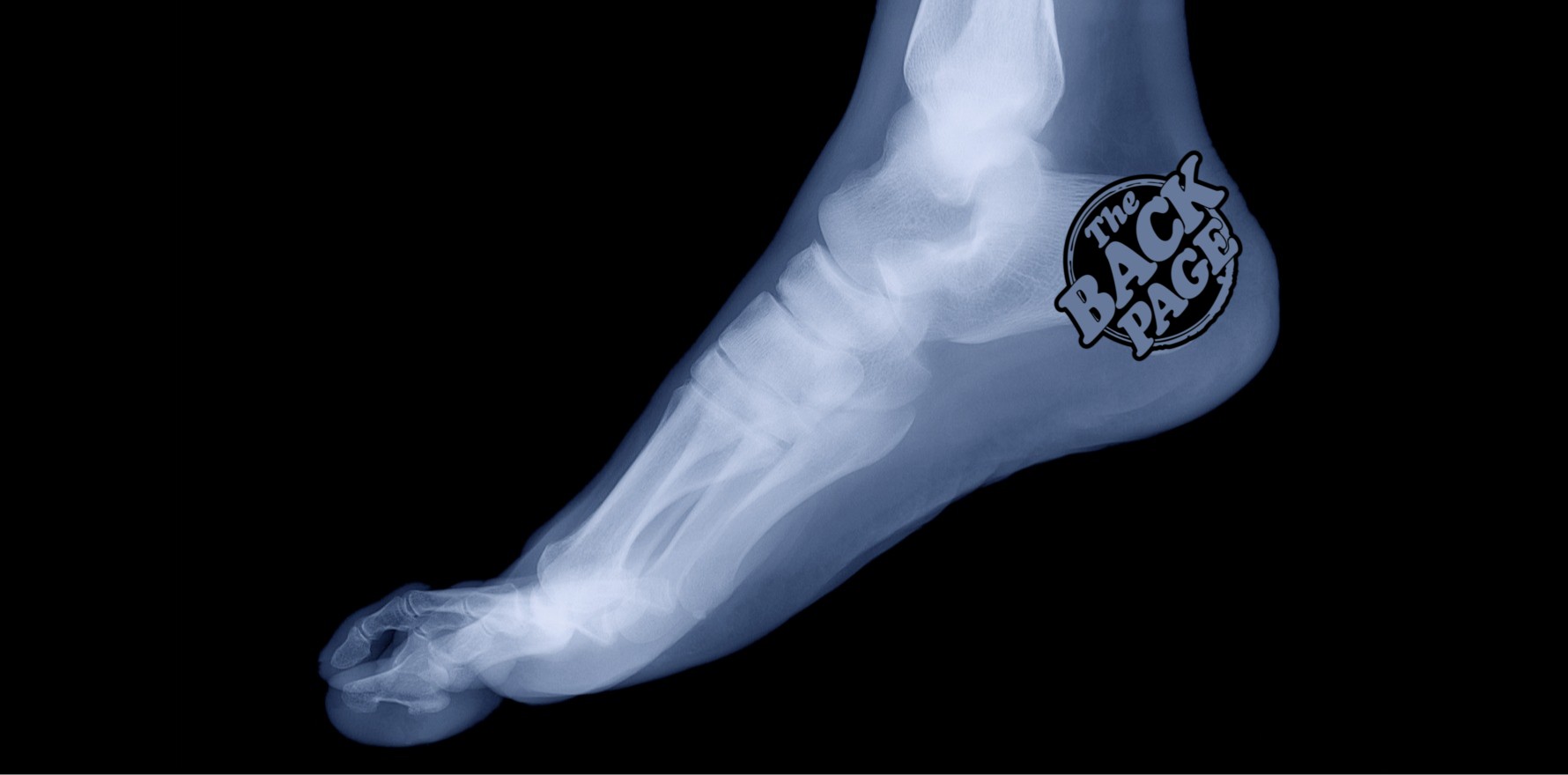
Oh cool! Very reassuring.
Today’s dose of disheartening news is coming to you (once again) from AI researchers, who showed a mixture of real and fake radiographic images to doctors and found that 60% didn’t notice the deepfaked scans.
In the radiologists’ defence, though, several large language models were also unable to determine which images were real and which were fake.
The study, published in Radiology this month, collected responses from 17 different radiologists working in six different countries.
Some were early career, while others had 40 years of experience.
Each radiologist was provided with a dataset of more than 100 radiographs, half of which were generated by large language models like GPT-4o or RoentGen.
Before being presented to the participant, each of the fake scans had been vetted for overt AI telltales like large “artifacts” or obvious anatomic abnormalities.
During the first phase of the study, the radiologist participants were only asked to assess the technical quality of each image and to provide a diagnosis. At the end of the questionnaire, they were asked if they had noticed anything unusual about the image set.
At this point, seven of the participants correctly reported that they had been looking at AI images.
The radiologists were then informed that some of the images were deepfakes, and were asked to go back through the same dataset and identify which ones were the most likely to be AI-generated.
They were able to accurately identify AI images about 75% of the time, with no significant difference between the performance of radiologists with many years of experience and early-career radiologists.
This was actually only a little less accurate than AI models themselves.
When shown a series of AI-generated chest radiographs – a different set to that shown to the radiologists – GPT-4o was able to recognise deepfake scans it had created 85% of the time.
Its accuracy was lower for images made by another large language model.
The common features of synthetic radiographs included excessive symmetry, smooth-looking bones, uniform noise and the absence of nail bed shadows on hand films.
If you’re left asking the question “who the hell would fake an x-ray?”, you’re not the only one.
According to the researchers, who were based at New York’s Mount Sinai hospital, there is a risk that AI-generated x-rays could be submitted as evidence for a fraudulent insurance claim or to falsely assert the presence of an illness by a person with Munchausen’s syndrome.
“Synthetic radiographs can be valuable for data augmentation, particularly for rare disorders or paediatric conditions for which privacy concerns limit data sharing,” the researchers concluded.
“However, they also pose risks because adversaries could seed public datasets with manipulated images, biasing future algorithms. Provenance tracking and auditing within federated learning frameworks are essential safeguards.”
