

Connected care has benefits for GPs as well as patients.
With the release of the RACGP’s Health of the Nation report, now in its ninth year, the critical role of GPs in keeping patients healthy and in their communities has never been more clear.
However, the drastic increase in case complexity and fragmenting care is impacting the viability of a fatiguing workforce.
One of the key lines from the Health of the Nation report is that: “Well-supported GPs deliver better outcomes” and serious considerations need to be taken in how this is accomplished effectively.
One of the viable solutions to this is shared decision-making through virtual models of collaborative care.
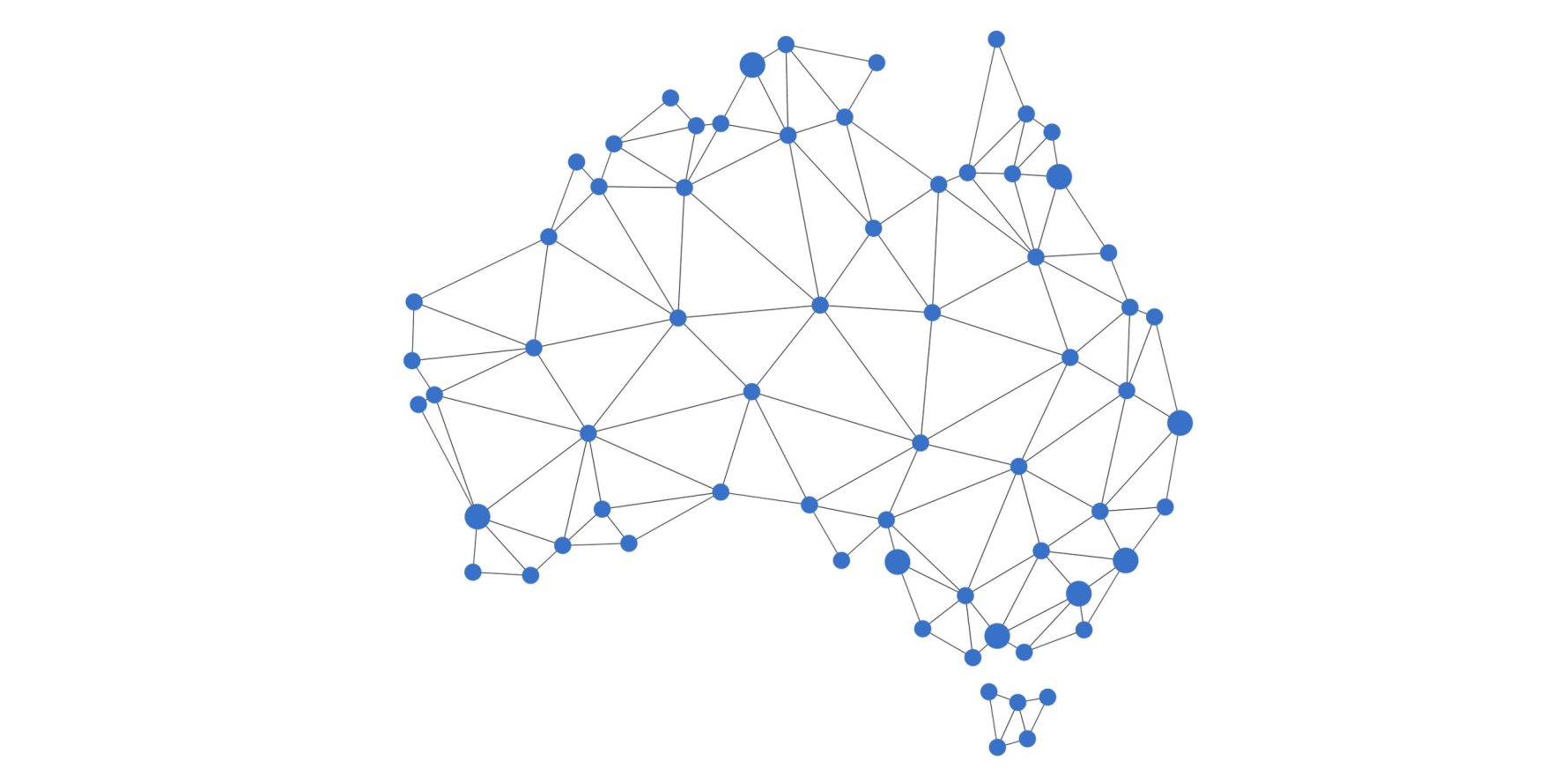
There are several models of care across Australia that aim to link multidisciplinary teams virtually.
A model of care that is being pioneered in Victoria is the Victorian Virtual Specialist Consults, which is a publicly funded model of care that links the GP, hospital specialists, allied health and patient.
The Victorian Virtual Specialist Consults offers most adult and paediatric specialties and utilises both case-conferencing and co-consulting models.
In Queensland, services such as the Mater-UQ eConsultant connect GPs with hospital teams through asynchronous secure online messaging for “requests for advice”.
In Western Australia, initiative such as the Virtual Immunology Clinic provide shared decision making with scheduled follow-up planned to keep all stakeholders informed of patient progress.
However, these options must be available and accessible to work.
Advocacy towards specific virtual methods of collaboration, such as the Patient End Support consults, are receiving reassuring responses.
Related


At the same time, frequently changing advice around telehealth or virtual consults can make it difficult to engage with developing systems.
The most recent guidance from AHPRA, for example, notes the difference between asynchronous online consults and synchronous telehealth consults. Synchronous telehealth consults appear to be referenced and advised on in the same way a traditional face-to-face consult would be, while the asynchronous models are under much more scrutiny.
Finally, general practice can be isolating and GPs feel increasingly undervalued.
Part of this, in the author’s opinion, is a lack of visibility of the complexity of work GPs do, often without the support of a team or hospital behind them.
Providing models of care that connect GPs and hospital teams can share the weight of diagnostic uncertainty and decision making. They also connect all doctors as a profession, growing mutual respect for skill sets and even developing friendships across distances.
Dr Morgan Rayner is a GP with an interest in virtual/digital health and connecting care. He works for Victorian Virtual Specialist Consults.
