


Researchers hope it will help unravel why milk supply and composition vary between women and identify new approaches to problems such as mastitis and low milk production.
Researchers are building a bank of more than 100,000 human milk samples in a bid to answer some of the stubborn questions around breastfeeding, from low supply and mastitis to the influence of climate, diet and ethnicity.
The WA Human Milk Biobank, based at the University of Western Australia, is the first of its kind in Australia and one of only three worldwide.
More than 1000 samples have already been collected, with milk from women across WA to be stored and made available to researchers for studies into lactation, nutrition and maternal and infant health.
Professor Donna Geddes, director of UWA’s Centre for Human Lactation Research and Translation, said one of the problems facing researchers was simply getting access to good-quality samples collected over time.
“Researchers currently have limited access to valuable longitudinal human milk samples and this is hindering advancements in our understanding of, for example, the impact of human milk composition on the infant microbiome,” she said.
“This in turn is slowing identification of potential therapeutic human milk components, such as probiotics, that could be used as supplements for vulnerable infants or mothers prone to mastitis.”
Professor Geddes said she expected the biobank, supported by the Stan Perron Charitable Foundation, would see strong demand from researchers around Australia and the world because of the unique nature of its sample collections.
Professor Geddes said existing milk collections drew samples overwhelmingly from Caucasian women, making it difficult to tease out the effects of ethnicity, culture, diet and environment.
Related


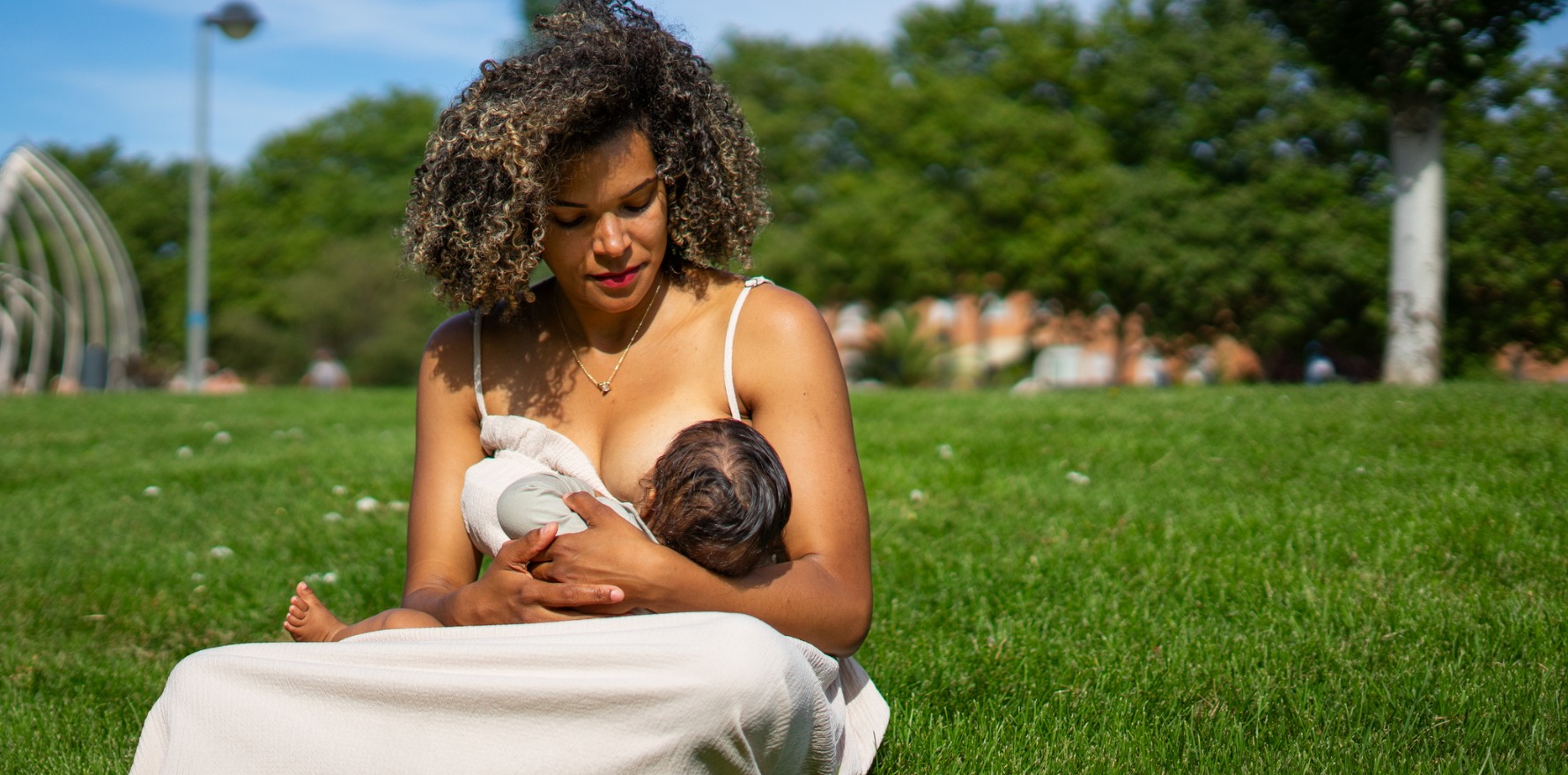
The new biobank aims to recruit women from a range of cultural backgrounds and locations, including rural and remote WA and communities exposed to extreme heat.
“We know, for example, that different ethnicities have different cultural behaviours around breastfeeding or may have different diets that can result in difference in their milk,” Professor Geddes said.
“Similarly, recruiting women from rural areas and those in areas with extreme heat exposure will give us valuable insights into the impact of temperature and climate on breastmilk composition and production.”
The biobank also plans to recruit mothers who have given birth prematurely.
The researchers hope those samples could shed light on why establishing a full milk supply can be difficult after preterm birth and how different components of human milk influence the growth and development of premature babies.
Unlike samples collected for a single clinical study, milk donated to the biobank can be used across multiple research projects.
Each sample will be divided into smaller portions and stored at -80C, potentially allowing one donation to contribute to several studies.
Professor Geddes said the targeted collections could make the biobank particularly valuable to researchers in Australia and overseas.
“Carrying out these uniquely targeted collections really makes this a one-of-a-kind biobank that will serve as a cornerstone for data-intensive discovery, supporting groundbreaking research and innovation,” she said.
“We want to make sure every drop counts.”
For information about how to donate breast milk, apply for research samples and the biobank in general see here.
