

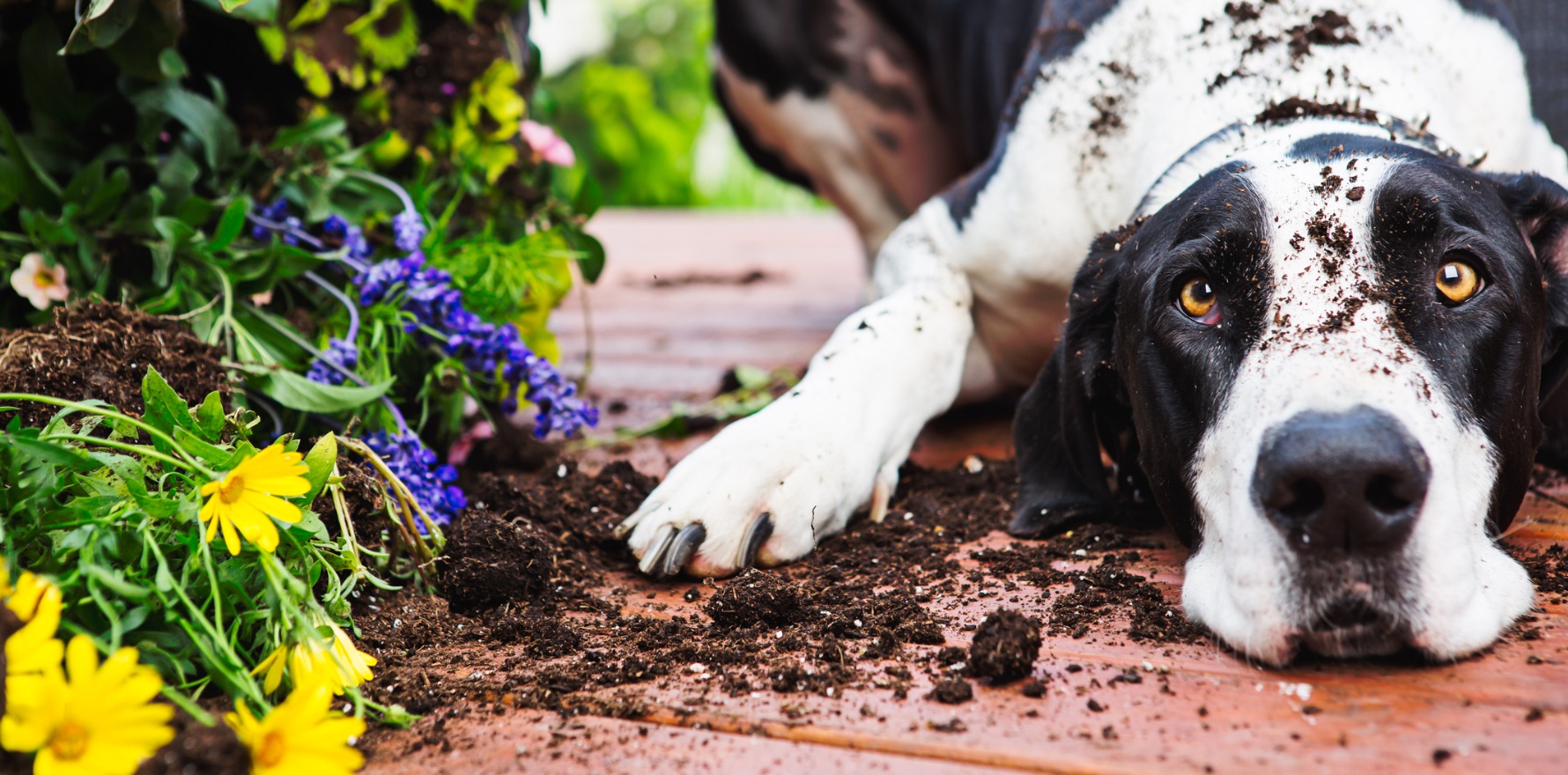
Queensland scientists have found soil is now the leading source of Legionnaires’ disease.
Queensland researchers have debunked the myth that Legionella is mostly found in air conditioners and water towers – saying other common sources of exposure to the bacteria include soil.
Associate Professor Lara Herrero from Griffith University’s Institute for Biomedicine and Glycomics led the study that tested blood donor serum from Queensland donors to see if they were exposed to Legionella bacteria which leads to Legionnaire’s disease, a serious form of pneumonia.
The researchers’ findings were published this month in The Journal of Infectious Diseases.
They tested 1000 samples of blood, 500 from 2016 and 500 from 2023, to see if donors had antibodies against the bacteria, Associate Professor Herrero said.
“These two windows of time were critical as Queensland observed an increase in Legionnaire’s disease cases in 2021-2022,” she said.
“The research assessed seroprevalence, or the level of pathogen in a population, as 2016 and 2023 represented before and after the higher incidence rate.”
While Legionella prevalence remained stable, L.pneumophila, commonly found in air conditioning vents had decreased, while L. longbeachae (more commonly found in soil) had increased.
This is consistent with public health case numbers which show Legionellosis caused by L. longbeachae has dominated cases in the past five years.
“We know that L. longbeachae is prevalent in soil, so we should be aware of the possible exposure risk, especially when it comes to potting soils,” she said.
“We can all take measures to minimise our exposure when gardening or using potting soil such as wearing a mask.
“It is especially important for vulnerable individuals such as the elderly, immunosuppressed, or those with co-morbidities to take particular care.”
Legionnaire’s disease is an urgent notifiable condition which presents as a febrile illness or pneumonia, which may be severe. Symptoms include fever, chills, cough and shortness of breath.
Related


Legionella infects humans via inhalation and is not spread person to person. Smokers, immunocompromised individuals, and those with existing conditions are at higher risk.
Although relatively uncommon, Legionnaire’s disease may be life-threatening and is thought to be responsible for approximately five to 15 per cent of all community-acquired pneumonias.
In 2023 and 2024, Australia had two significant outbreaks of Legionnaire’s disease, the researchers noted.
The first was in Sydney’s central business district, where eleven cases were positive for L. pneumophila serogroup. Three of these cases were linked to a local water-cooling tower.
Since July 2024, Melbourne has experienced an explosive Legionella outbreak with a total of 114 confirmed cases and five suspected cases notified between 26 July and 20 August. Two deaths were reported. The contamination source was identified, and the cooling tower was decontaminated to prevent further spread.
“This L. pneumophila outbreak is the most severe in over two decades, underscoring legionellosis as a continuing public health concern,” the researchers wrote.
According to the National Notifiable Disease Surveillance System (accessed 11 September), there have been 484 reported cases of legionella in Australia so far this year.
New South Wales has recorded the most cases (142 cases), followed by Queensland (132), Victoria (96), South Australia (52), Western Australia (36), Tasmania (15), the Northern Territory (10) and the ACT (one).
This compares with 846 cases around Australia in 2024, 682 cases in 2023, 687 cases in 2022, 584 in 2021 and 528 in 2020.
