

One GP has decided giving his patients what they’re willing to pay for is the best way to keep his business afloat.
Newcastle GP Dr Max Mollenkopf took a long hard look at the reality of making his practice viable and did something revolutionary – he split his practice in two.
Speaking at the Digital Health Festival in Melbourne this morning, Dr Mollenkopf said his practice was “dying in the messy middle”.
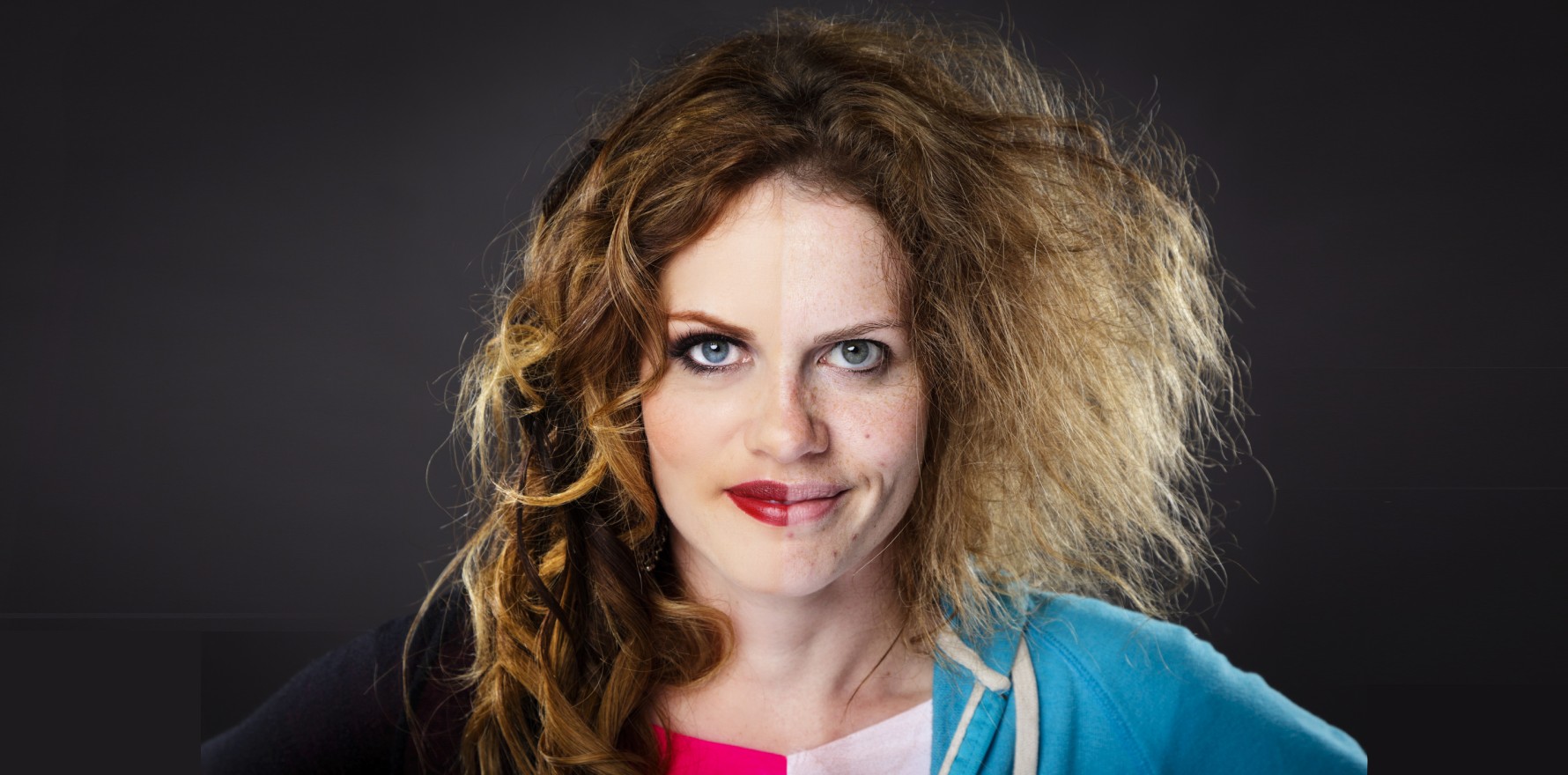
So, in a move described by panel host Dr Janice Tan as “ballsy”, Dr Mollenkopf turned half his practice into a bulk-billing express business, and the other half into a “premium experience”.
“For consumers in the waiting room, they were getting really annoyed … there were patients who were walking up to reception staff [and were being bulk billed] and then all the people subsidising them … were saying, well, this is bullshit, why am I paying their money?” he said.
Dr Mollenkopf said GPs were in “constant tension” about who to bulk bill and who to charge.
“I’ve taken from a lot of my colleagues, a massive bunch of socialists – they will cut their thumbs off to service that young mother with cancer, and then there’s also the idea that they want to make a living wage and do well,” he said.
“We made a conscious decision where we said, okay, well, the government is continuing to prioritise bulk billing, so we formally split off half the practice, where we say that is White Bridge Express, and that is a low-quality, high-churn experience.
“A consumer can walk into our practice, choose to have a gap-free experience, and then we reflect that in the physical premises.
“You come in and you do not get to engage with reception, you have to check in yourself. The waiting area is not as nice, it’s separate from the rest of the practice. The appointments are shorter, you don’t get follow up.
That experience, he said, reflected the cost of providing it.
Related



“We elevate the private experience with for the people who do pay, you get a better experience, and that is just a choice you can make at the consumer level,” said Dr Mollenkopf.
“The GPs feel better about the experience because they can then look at the patient in the eye and say you had a choice.
“In my mind, [what we do] is reflecting what the true system looks like.”
Dr Mollenkopf was speaking on a panel about winning over modern patients, and told delegates that today’s patient “has more choice than ever”.
“They are more product-led than ever, they are more informed than ever. And when they start their journey, they start their journey with a Google box or a Reddit post or a Facebook feed,” he said.
That meant GPs needed to think carefully about the services they were willing to provide in order to retain both doctors and patients.
“The government stuffed urgent care, so that’s fine, they can have it, we’re not going to compete on that, we don’t need to deal with that,” he said.
“After hours – waste of time, Healthdirect gets funded for it, and, like, realistically, why would I compete with government again? There’s no point.”
What GPs can do, he said, was provide excellent clinical care.
“We have … a group of fully qualified GPs who can do their job well and provide an excellent clinical service,” he said.
It then came down to providing a good administrative experience on the way in, helping the patient find their way to the right GP, and getting the service they wanted from that GP.
“Then they’re in the ecosystem … which is longitudinal primary care, and that’s the approach, and that’s how we get retention, because we find them an excellent clinician instead of letting them get led astray … somewhere else where they get the care, but it’s kind of crappy.”
The Digital Health Festival continues on Thursday.
