

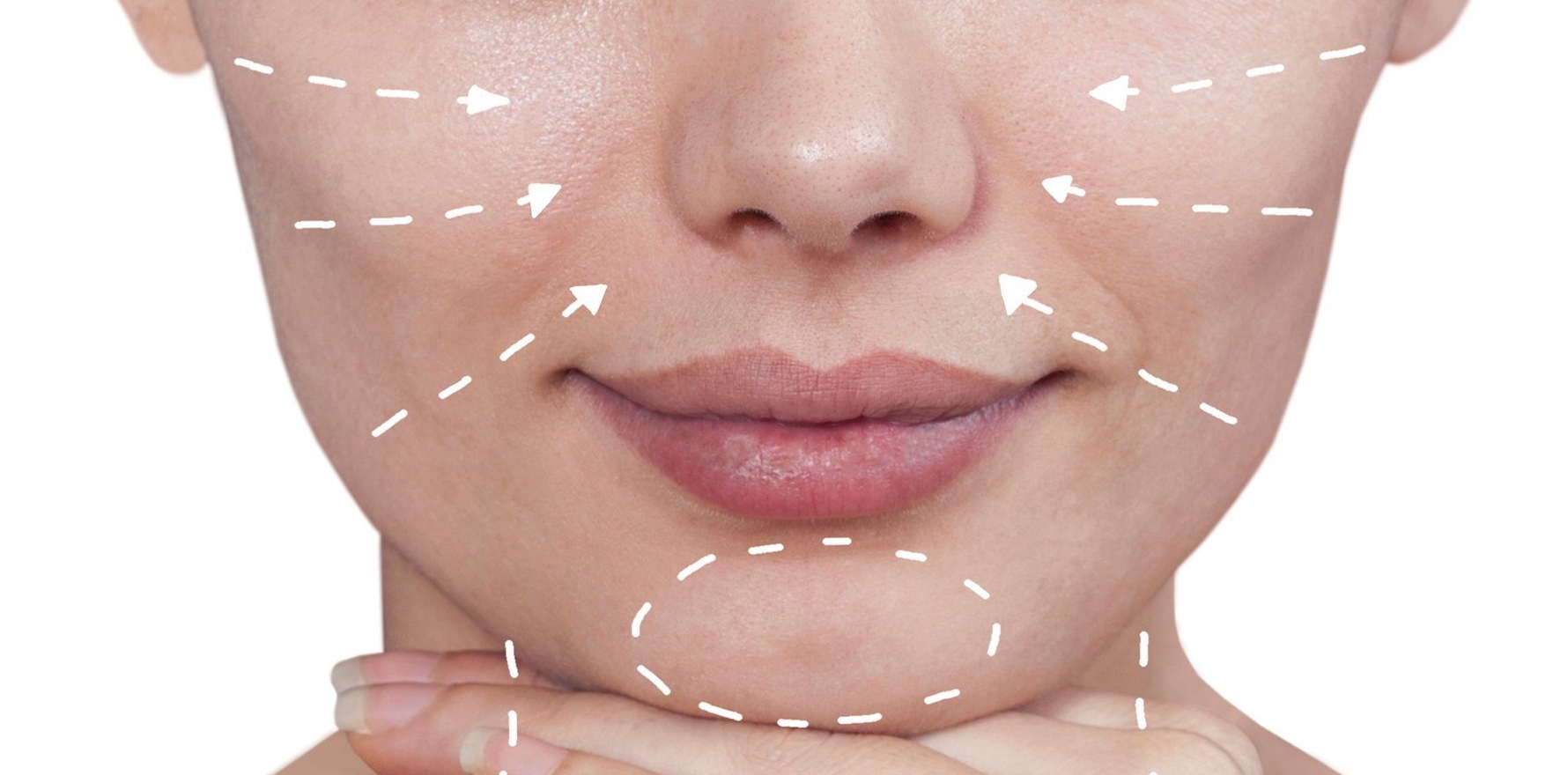
An Australian research team has developed two new scales to better understand how people feel about cosmetic procedures.
Cosmetic procedures – both surgical and non-surgical – are becoming increasingly popular, accessible and affordable.
Consequently, there have been huge increases in the number of people undergoing such procedures.
But the way in which researchers assess how people, particularly young women, view cosmetic procedures hasn’t kept up with the surge of demand and delivery.
“Despite the growing prevalence and social normalisation of cosmetic procedures, particularly those of the non-surgical kind, the tools used to assess attitudes toward cosmetic enhancement in research remain outdated and limited,” a team of Griffith University researchers wrote in Body Image.
“The most widely used measure, the Acceptance of Cosmetic Surgery Scale, was developed two decades ago and does not adequately address the contemporary rise of non-surgical procedures.
“Moreover, the ACSS primarily captures general attitudes about the acceptability of cosmetic surgery and reflects judgments about others’ choices. It does not assess individuals’ personal beliefs or their consideration of undergoing such procedures themselves. As cultural and individual attitudes toward cosmetic procedures shift, there is a critical need for updated tools that better reflect attitudes toward today’s cosmetic procedure landscape.”
To address the lack of modern tools, the research team, led by PhD student Grace Barker, have developed and validated two psychometrically robust scales across three separate studies: the Cosmetic Procedures Attitudes Scale – Surgical (CPAS-S) and the Cosmetic Procedures Attitudes Scale – Non-Surgical (CPAS-NS).
“Non-surgical procedures may involve different perceptions of risk, reversibility, accessibility and normalisation,” Miss Barker told media.
“By measuring these attitudes separately, the study aimed to better understand how people think and feel about each type of cosmetic procedure, both surgical and non-surgical.”
Over 700 women aged 18-35 from Australia and overseas participated in the three studies. The first study involved focus groups that informed the development of the initial version of the two scales, which were 47 items long.
The second study saw the CPAS-S and CPAS-NS reduced to 20 and 19 items respectively after the removal of redundant and unrelated items, before the third study further shortened the scales as they were tested for repeatability and compared against other existing measures.
The final versions of the CPAS-S and CPAS-NS each contain 16 items across three areas: intrapersonal (which focus on internal motives related to appearance e.g., striving for beauty or reinforcing self-value), interpersonal (focusing on how other individuals will perceive and respond to a person undergoing cosmetic procedures e.g., social acceptance and romantic relationships) and consideration (which focuses on practical concerns related to undergoing cosmetic procedures, such as financial cost and pain). Respondent answer each item using a Likert scale ranging from 1 (not at all true) to 5 (extremely true) based on how true each item is for them.
“Findings from both exploratory and confirmatory analyses supported the hypothesized factor structure and demonstrated strong internal consistency,” the researchers wrote.
“Both scales reveal strong overall reliability and convergent validity via positive relationships with existing measures.
“Thus, the CPAS-S and CPAS-NS serve as two conceptually distinct instruments that enable examination of personal attitudes and consideration of surgical and non-surgical cosmetic procedures.”
Related


The researchers believe the CPAS-S and CPAS-NS will help other researchers obtain a deeper understanding of how people view cosmetic procedures, as well as the social factors that may influence how attitudes change over time.
“[The scales focus] on an individual’s own views rather than broad or generalised opinions, allowing for a better understanding of personal differences,” said senior author Professor Caroline Donovan, a registered clinical psychologist.
“This improved insight may also support the development of more targeted prevention and intervention efforts, particularly for individuals who may be more vulnerable to appearance-related distress such as complex body image concerns of psychological conditions such as body dysmorphic disorder.”
