


The move has received mixed reviews from health bodies, with the impact of the ban still in the fog.
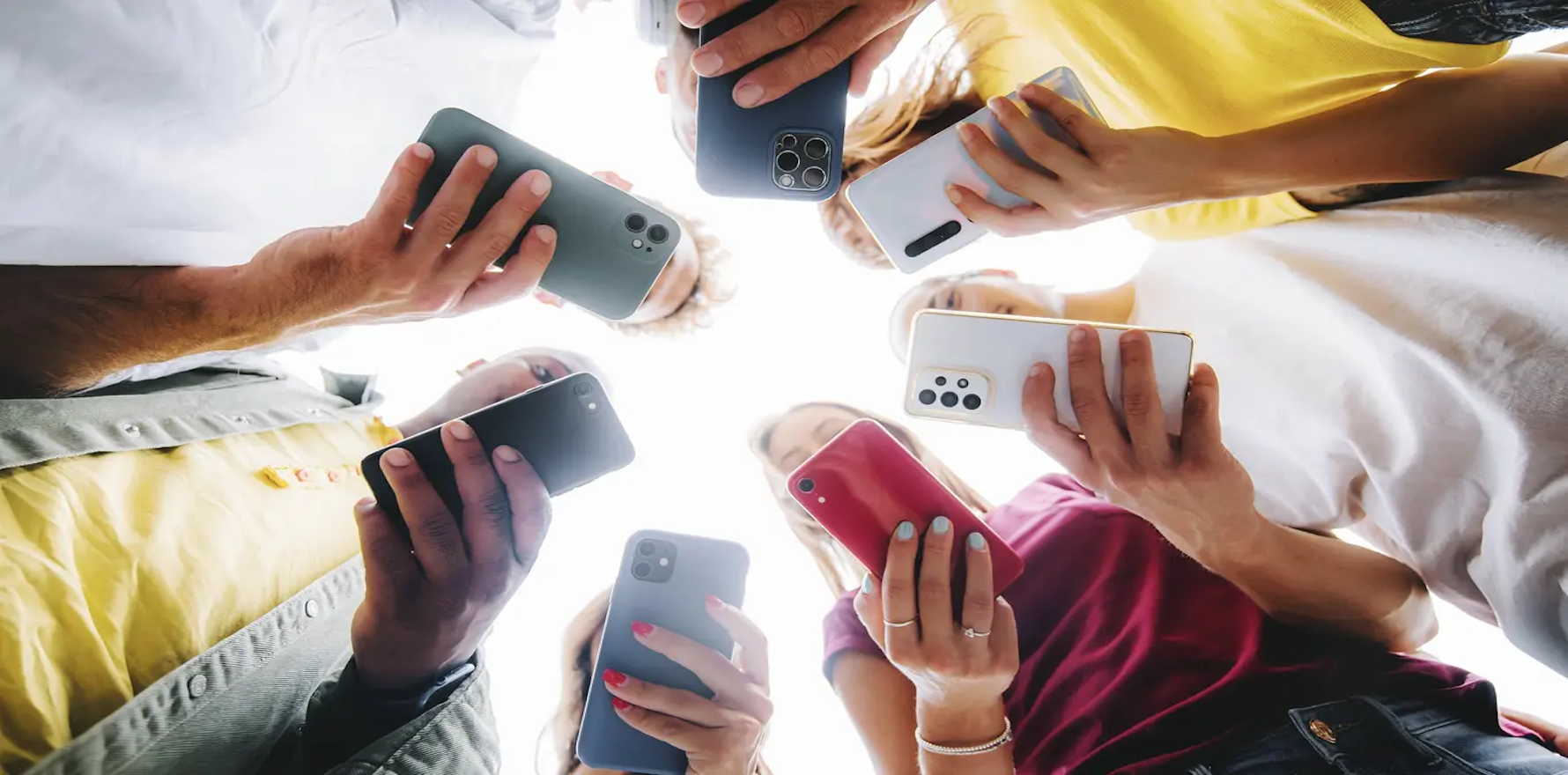
From this Wednesday, children under the age of 16 will be banned from social media in a government crackdown aimed at curbing online anxiety and bullying.
Health experts argue the move places too much responsibility young users, instead of placing the burden on social media companies.
While the ban’s full health impact is yet to be seen, the RACGP predicts it could lower rates of anxiety and bullying amongst adolescents.
“The safety and health of children is absolutely of prime importance,” RACGP president Dr Michael Wright told The Medical Republic.
“Adolescents are experiencing significantly higher rates of anxiety, alongside increased incidents of bullying, much of which occurs online through social media platforms.
“We know that children and young people are spending extensive time on social media, and this is restricting their sleep and impacting their overall wellbeing.”
Professor of Adolescent Health at the University of Melbourne Susan Sawyer has also supported the stance that the ban will assist with social-media related anxiety but will not be a “silver bullet” to the issue as a whole.
“Children need guardrails – social media is no exception,” Professor Sawyer said.
“Tech companies should protect children from algorithm-driven platforms designed to maximise engagement at any cost. The stakes are highest for younger adolescents (10-110–14-year-oldsuberty rewires their brains to be socially primed and emotionally reactive, but without yet the brain maturity and life experience needed to safely navigate these digital landscapes.
“Sadly, unlike other protective actions that can be taken by parents, once a child has a smart phone, no amount of ‘good parenting’ can overcome the dopamine-fuelled algorithms of big tech.”
Experts have advocated for the government to hold tech companies responsible for the predatory algorithms that are designed to maximise engagement.
The National Rural Health Alliance has argued that a different approach must be taken for this issue, saying social media can be a socialisation lifeline for adolescents in rural and remote parts of Australia.
A restructured approach has been suggested, with a focus on penalising addictive algorithms and mechanisms along with providing greater education to children on how social media usage can be managed.
“The cyber bullying and the lack of privacy and the content and addictive design is what the tech companies can control,” NRHA chief executive Susi Tegen told TMR.
“There really isn’t much government mandated audit or restriction on algorithmic risks, on harmful content exposure, data practices and safety systems, and there should be penalties.
“It doesn’t mean that children shouldn’t learn very young at primary school how it can be identified if something is safe or not.
“It’s the same way as when we started using seatbelts, or when we started knowing about stranger danger.
“Children are savvy online, but the companies are making billions of dollars from this. What’s happened to their social contract?”
The NRHA has suggested government collaboration with rural communities to ensure the ban can be adapted, allowing young people in remote areas to access digital information and develop digital literacy.
Related
“It’s a great start, but we need to ban harmful, addictive platform design, and it needs to be well and truly punishable,” Ms Tegen told TMR.
“There need to be compulsory break points to reduce compulsive use.
“We also need to ban personalised, targeted advertisers for all users under 18 and most children in school until they’re 19 so it prohibits behavioural profiling, data harvesting and engagement-based advertisement actions.”
The RACGP has reportedly spoken to the safety commissioner regarding the changes to better understand how this ban will affect GPs in their care for adolescents.
“Ensuring that young people receive credible, high-quality information, rather than unfiltered and unrestricted content, will be a positive step for their health,” Dr Wright told TMR.
“While many parents are deeply concerned about the effects of social media, there is often reluctance among children themselves to reduce their usage.
“This highlights the challenge families face in managing online engagement.”
Other experts have also raised concerns over the impact of losing access to social media as a key distribution tool for health information.
Dr Melody Taba, a research fellow at the Sydney Health Literacy Lab at The University of Sydney, said their research had shown that young people reportedly liked the opportunity to learn about health on these platforms, “especially on topics they wouldn’t usually seek out or encounter elsewhere”.
Health organisations also said social media’s low cost and broad reach made it easier to connect with young people, who typically engaged less with traditional health communication channels, said Dr Taba.
“To date, there has been little attention on how the social media ban will affect the way adolescents access health information,” she said.
“Social media has emerged as a key source of health information for this age group over recent years, particularly due to its convenience and accessible format.
“Adolescents use these platforms to actively search for health information, or they may encounter it incidentally while scrolling through their feeds.
“Whilst there is an abundance of health misinformation on these platforms, many health organisations and health professionals use it to share important, reliable and accessible health information catered to these younger age groups.”
